It often starts with an image.
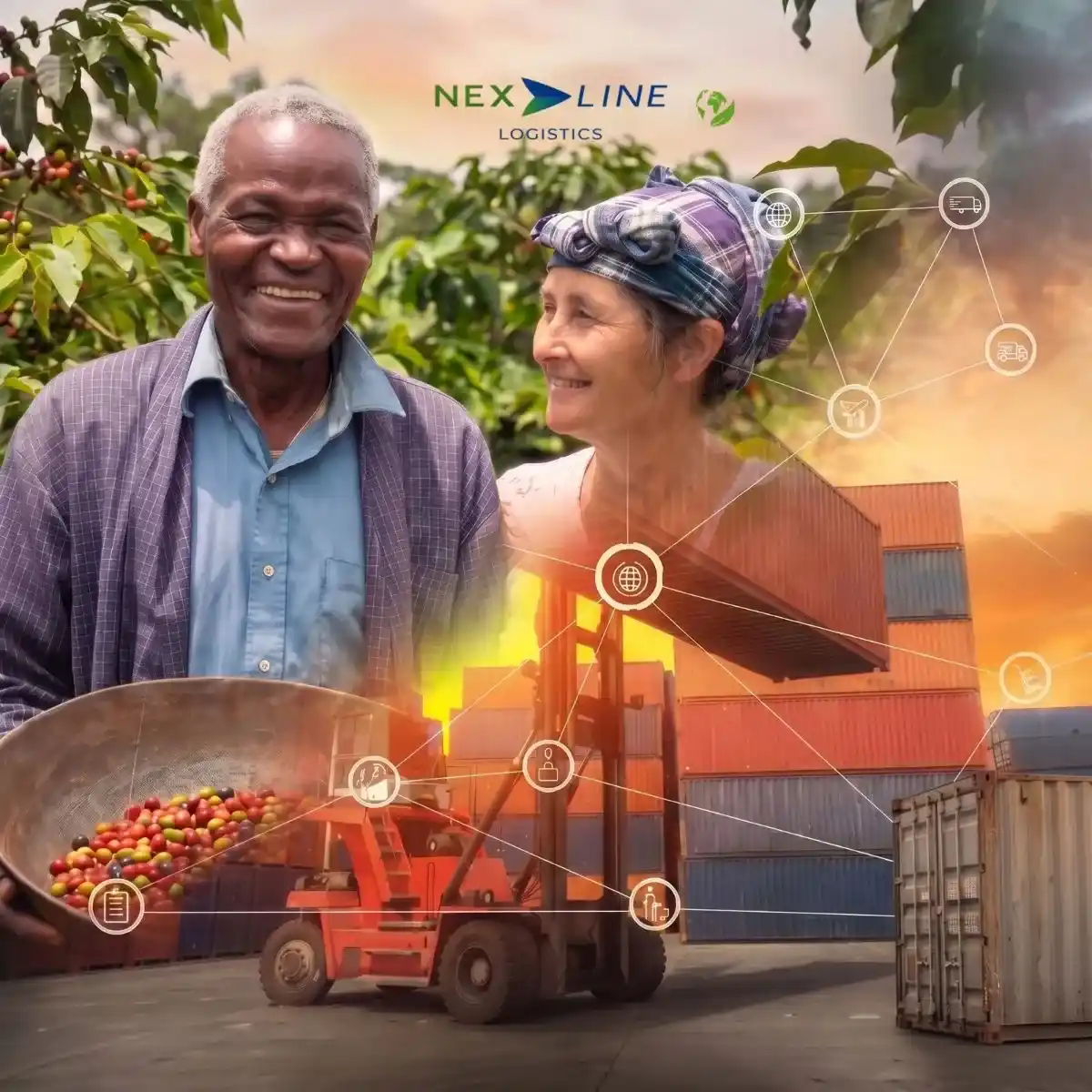
A product. A producer. A region. A story.
But behind that image, there is also a full chain that allows the product to exist, move and reach the final customer.
On world fair trade day, it is important to remember what fair trade really means. Fair trade is a more responsible way of producing and exchanging goods. It aims to ensure better conditions for producers, fairer pay and more balanced business relationships.
We often think about production first. And that is essential.
But a product is truly aligned with this commitment only when the entire chain is consistent.
Between the field and the table, there is one discreet but decisive link: logistics.
This is where transport and CSR become essential.
Logistics: an often invisible link
Logistics is not always visible. Yet it has a direct impact on the promise behind a product.
It influences:
- delivery times;
- flow reliability;
- transport costs;
- environmental impact;
- consistency with CSR commitments.
When logistics is well planned, it strengthens a responsible approach.
When it is poorly managed, it can weaken the original promise.
When logistics loses consistency
A poorly anticipated supply chain often leads to last-minute decisions.
Delivery times become less predictable. Transport is arranged in a rush. Economic choices can take priority over environmental consistency.
In that case, a responsible product can lose part of its meaning.
Responsible production is important, but it is not enough on its own. The way a product travels also matters.
Sustainability must therefore continue through transport.
Aligning transport, costs and CSR
At Nexline Group, we support companies that want to better align their logistics operations with their commitments.
The objective is clear: build flows that are more reliable, easier to manage and more consistent.
To achieve this, three priorities must work together:
- flow reliability;
- cost control;
- environmental consistency in transport.
This balance helps companies avoid rushed decisions and better manage their supply chain.
It also helps preserve the promise of the product until its final destination.
Better planning for better transport
Responsible logistics often starts with better planning.
The earlier flows are prepared, the more relevant transport choices become. Companies can compare options, adjust timelines and select the most suitable modes of transport.
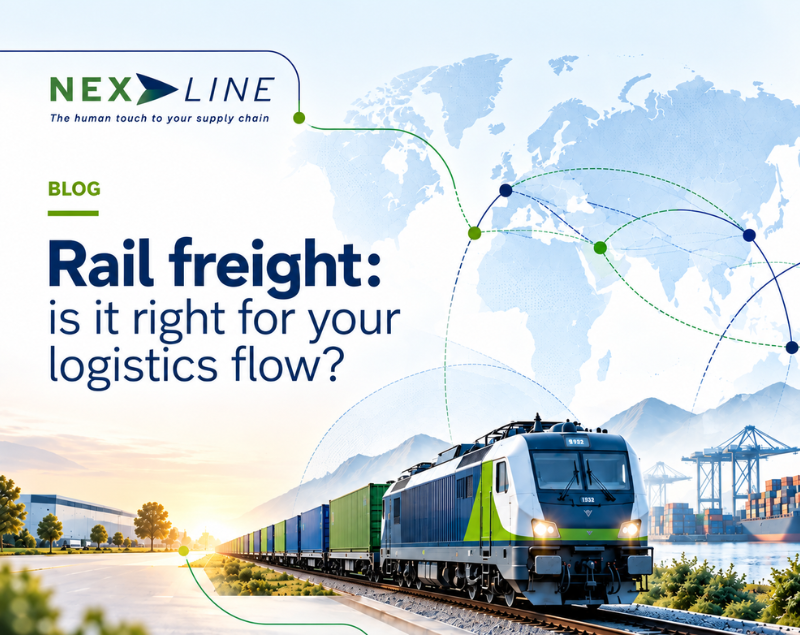
In some cases, this can open the door to more responsible alternatives, such as rail or multimodal solutions.
These choices are not always possible. But when they are, they can improve the overall consistency of the supply chain.
The goal is not to make operations more complex. It is to make them clearer, stronger and better aligned with the company’s commitments.
Sustainability does not stop at production
Production is a major part of fair trade.
But it is not the only one.
Sustainability also happens behind the scenes, in transport. It depends on flow organization, transport choices and coordination between all stakeholders.
It continues until final delivery.
That is why world fair trade day is also an opportunity to talk about logistics. A responsible chain must remain consistent from start to finish.
DISCOVER OUR TRANSPORT SERVICES