
Logistics Partner: Nexline Group at the Heart of Jules’ Operations
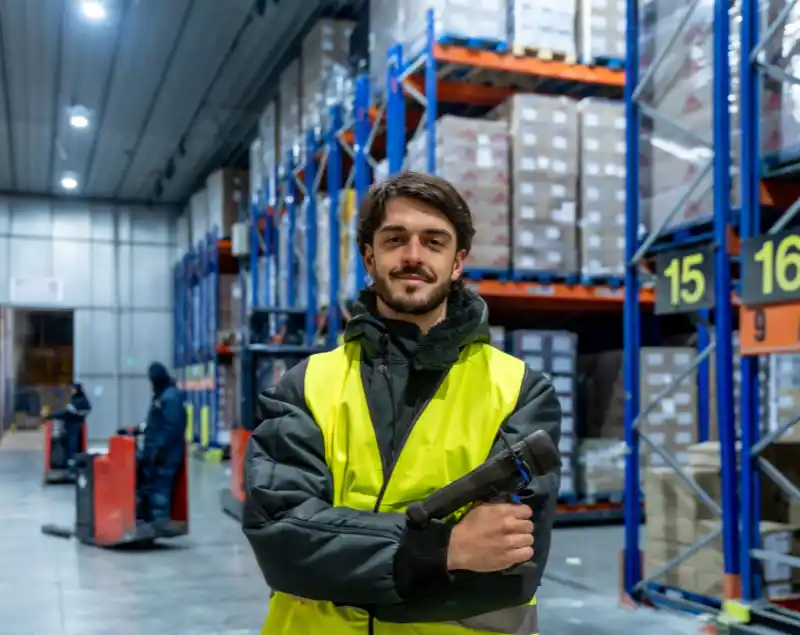
On 22 September, the Nexline Group team was invited by Jules to a morning of discussions at their Wattrelos site. The programme included a warehouse visit, conversations with the logistics teams, a presentation of ongoing projects, and discussions around digitalisation, tracking and the evolution of flows. Beyond the operational topics, the morning was above all an opportunity to take the time to exchange, understand the reality on the ground and gain a clearer view of our partner’s challenges. Because being a logistics partner is not only about organising transport. It also means understanding how a company operates, its constraints and its priorities. Being a logistics partner means understanding the field Remote communication is essential in day-to-day operations. However, some things are better understood when you take the time to see them directly. The visit to the Jules site gave us the opportunity to discover the warehouse organisation, speak with the teams and better understand the reality of their operations. These moments are important for Nexline Group. They allow us to place transport within a broader context and better understand how each flow fits into our client’s overall activity. Digitalisation, tracking and changing flows The morning also gave us the opportunity to discuss several topics that are transforming logistics operations today. Among them: digitalisation, tracking and greater visibility over flows. Companies need to know where their goods are, access reliable information and better anticipate the different stages of their supply chain. For a logistics partner, these challenges are now an integral part of the support provided. It is no longer only about moving goods. It is also about making information flow more effectively. Building more relevant solutions through dialogue Beyond tools and processes, the morning was mainly shaped by discussions. Taking the time to ask questions, share experiences and compare operational realities helps us better understand actual needs. At Nexline Group, we believe this proximity is essential. A relevant solution is rarely built around price or lead time alone. It also depends on understanding how the company operates and building a relationship based on trust over time. That is how we see our role as a logistics partner. Supporting French brands in their development At Nexline Group, we support companies and French brands in the development of their activities. Our transport and logistics expertise is used to support their projects and flows, both in France and internationally. But this support also comes through moments like this one. Meeting the teams, understanding their challenges and observing operations directly on the ground helps us build solutions that are closer to their real needs. Moving goods also means supporting the development of the companies and brands we work with. Thank you to the Jules teams for their welcome, availability and the quality of the discussions. A special thank you to Geraldine Couque for the invitation, as well as to Tayfur Altinkaynak, Anthony Cochet and Richard Ibanez for representing Nexline Group. The Human Touch to Your Supply Chain. DISCOVER OUR TRANSPORT SERVICES
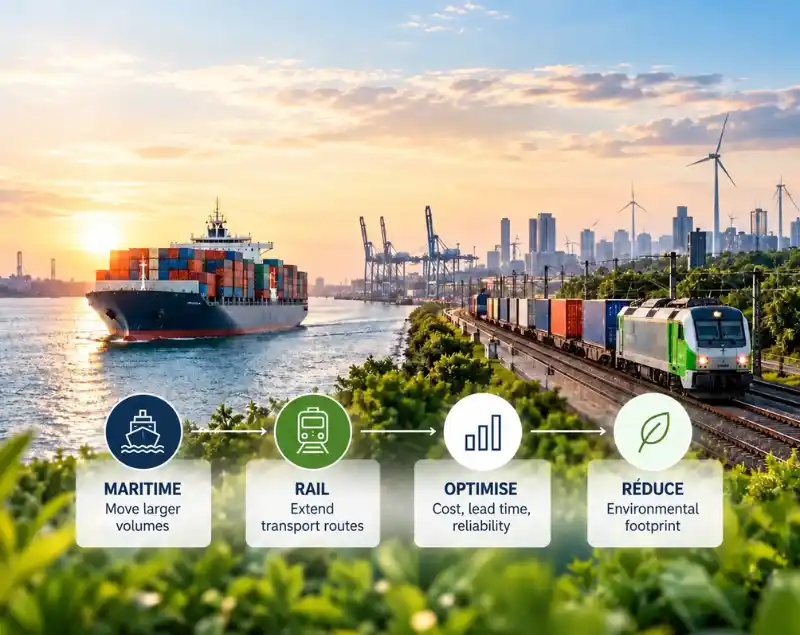
Sustainable Logistics: Nexline Group at the 2026 Customs Symposium There are events you attend, and others that genuinely make you want to exchange ideas, share experiences and think together about the future of the industry. This year, Nexline Group took part in the 2026 Customs Symposium in Dunkirk, organised by Classe Export. The event brought together professionals around key topics such as international trade, customs regulations and the transformation of supply chains. For our teams, it was also an opportunity to share our vision of sustainable logistics, rooted in day-to-day operational realities. Decarbonising the supply chain with an operational approach During the Symposium, Karima Z. Habacha, Managing Director France at Nexline Group, spoke on the topic: “Decarbonising the supply chain: an operational perspective.” Reducing the environmental impact of a supply chain is not simply about choosing one transport mode over another. It means looking at the entire flow. Origin, destination, volumes, lead times, operational constraints and available transport modes all need to be taken into account. Sustainable logistics tailored to each flow In practice, there is no single solution for making transport more sustainable. Depending on the shipment, it may be relevant to combine different transport modes, rethink a route or optimise certain stages of the journey. The challenge is to find the right balance between cost, lead time, reliability and environmental impact. This approach reflects the way we work every day at Nexline Group. Our teams manage international flows with very different constraints. Building the right solution therefore starts with a concrete analysis of each operation. Sustainable logistics cannot remain theoretical. It needs to work in real-life conditions and respond to the actual needs of businesses. Exchanging with the people shaping supply chains The Customs Symposium was also a valuable opportunity to meet and exchange with professionals from across the sector. Tayfur Altinkaynak joined Karima in representing Nexline Group and taking part in the discussions throughout the day. Beyond the conferences, these conversations are what we will remember most. International trade is evolving. Regulations are changing. Expectations around decarbonisation are also increasing. Sharing experiences and perspectives helps us better understand these developments and identify practical ways to respond. Moving supply chains forward through operational experience For Nexline Group, taking part in events like this is also part of the way we continue to develop our solutions. Expertise is built every day through operations. But it is also strengthened by discussions with companies and professionals working in customs, transport and supply chain. It is this combination of field experience and collective thinking that helps practices evolve. The transition towards more sustainable logistics will not happen through a single decision. It will come from a succession of choices, optimisations and new ways of organising flows. Thank you to Classe Export for organising the 2026 Customs Symposium, and to all the speakers and participants for the quality of the discussions. A professional, human and forward-looking day. Nexline GroupThe Human Touch to Your Supply Chain. DISCOVER OUR TRANSPORT SERVICES
Imports from South Korea: the Logistics Behind K-Beauty

The product is Korean. The trend has gone global. K-Beauty perfectly illustrates a reality of international trade: when demand accelerates, the supply chain needs to keep up. A product may be designed, manufactured and packaged in South Korea. However, its success on the European market also depends on everything that happens before it reaches the shelves. For companies managing imports from South Korea, logistics therefore plays a key role. Flow planning, coordination at origin, transport mode selection, consolidation and customs procedures: every stage matters. Imports from South Korea require careful planning Importing goods from South Korea is not simply about organising transport between two points. Before departure, suppliers need to be coordinated, the necessary information checked and the shipment prepared. The right transport mode must then be selected according to volumes, lead times and product requirements. In some cases, air freight may be preferred for its speed. In others, ocean freight may be more suitable for larger volumes or shipments that can be planned further in advance. Each flow therefore needs to be assessed according to the actual business requirement. K-Beauty: a good example of a fast-growing market K-Beauty clearly shows what can happen when a trend gains momentum quickly. Demand increases. Volumes evolve. Restocking needs become more frequent. In this environment, the supply chain needs to adapt. A transport delay can directly affect product availability. On the other hand, good planning can help companies respond more effectively to market growth. For imports from South Korea, this ability to adapt becomes particularly important. Choosing the right transport between South Korea and Europe Not every product has the same requirements. Some shipments need to arrive quickly. Others can follow a longer transport plan that is better suited to their volume. The choice between air freight and ocean freight therefore depends on several factors: The objective is not simply to choose the fastest or cheapest transport option. It is about finding the solution that best matches the flow. Logistics may be invisible, but it makes the difference Once a product reaches the shelves, all this organisation almost disappears from view. You see the brand. You see the product. You see the trend. The logistics behind it is far less visible. Yet it is involved at every stage. Coordination with suppliers in South Korea, transport bookings, consolidation, shipment tracking, customs procedures and arrival in Europe all need to work together. This organisation is what allows a product manufactured thousands of kilometres away to reach the right place at the right time. Nexline Group supports your imports from South Korea At Nexline Group, we support companies in managing their logistics flows between South Korea and Europe. Our role is to build a solution adapted to each requirement: planning flows, coordinating operations at origin, selecting the right transport mode and monitoring the shipment through to destination. K-Beauty is a good example of this today. However, the same logic applies to many other industries. When a market grows quickly, the supply chain needs to evolve with it. Are you managing imports from South Korea? Contact Nexline Group to review your flows and build a transport solution adapted to your needs. The Human Touch to Your Supply Chain. DISCOVER OUR TRANSPORT SERVICES
International Logistics Network: Keeping Freight Moving All Year Round
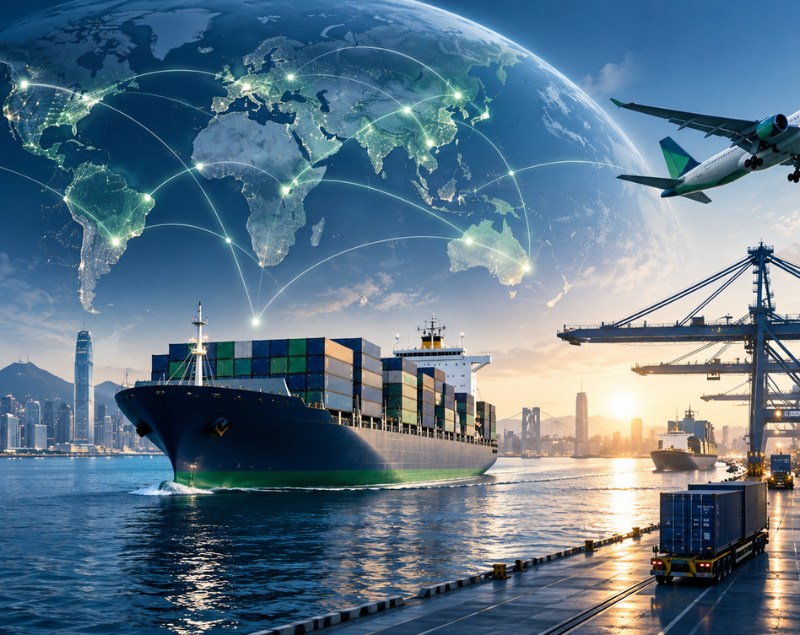
September often marks a return to routine. New schedules, new projects and a new rhythm after the summer months. In international logistics, however, operations never really stop. At Nexline Group, our international logistics network supports freight flows throughout the year, with teams and local relays across several strategic markets: This international presence helps our teams stay close to operations, understand local conditions and react when circumstances change. Different Markets, Different Rhythms Public holidays, factory shutdowns and seasonal slowdowns do not happen at the same time everywhere. While activity may slow down in one country, operations continue elsewhere. For international supply chains, this matters. A local holiday can affect production, cargo availability, transport capacity, booking schedules or customs procedures. Managing international freight therefore means anticipating several different calendars at the same time. Local Expertise Matters International freight forwarding is closely linked to local conditions. Severe weather can disrupt a port. Political tensions may affect a trade route. Holiday periods can reduce available capacity. Carrier schedules may also change at short notice. In these situations, local knowledge becomes essential. Teams working close to the market can provide a clearer view of what is happening on the ground and help identify available options. This is one of the strengths of Nexline’s international logistics network: combining local expertise with international coordination. Staying Flexible When Conditions Change Supply chains do not always operate in stable conditions. When disruption occurs, the objective remains the same: understand the situation, assess the available options and keep goods moving whenever possible. Depending on the shipment, this may mean reviewing: The right response depends on the origin, destination, urgency and constraints of each shipment. One Network, Several Time Zones International logistics does not operate within a single office or a single time zone. A shipment may involve suppliers, carriers, customers and logistics teams across several countries. That is why an international network matters. When one region slows down, another may continue operating. When one team reaches the end of its working day, another may already be starting. For customers, the objective is simple: avoid relying on one location, one team or one market. Keeping Freight Moving Throughout the Year September may signal the return to school and work routines in some countries, but international logistics follows its own rhythm. Markets move at different speeds. Holidays vary. Conditions change. For Nexline, the strength of an international logistics network lies in connecting local expertise, coordinating teams across markets and maintaining continuity throughout the year. While routines change, our international network keeps moving. Need support with an international shipment? Nexline teams can help you assess your freight requirements and identify a solution adapted to your origin, destination and logistics constraints. DISCOVER OUR TRANSPORT SERVICES
Logistics Operations in China: Jenny Wong’s Key Role
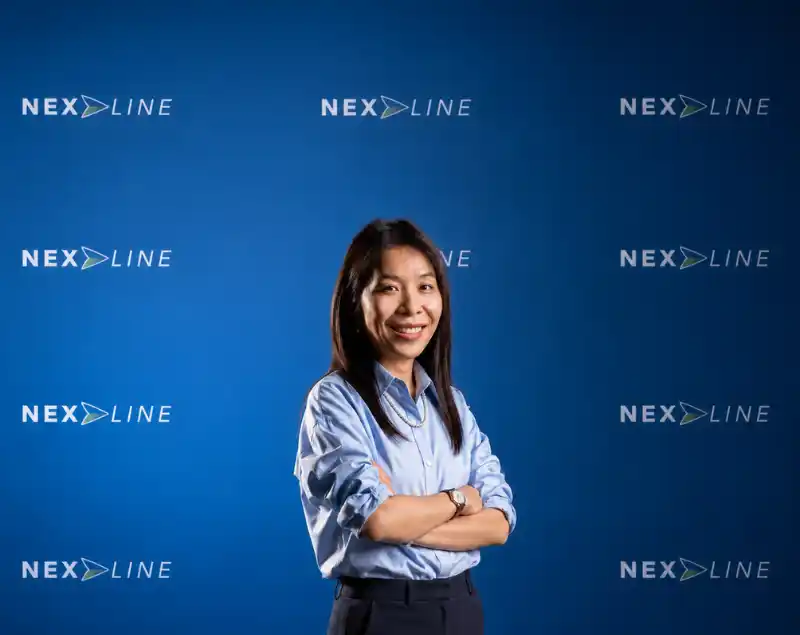
In international logistics, every decision matters. Clients need quick answers. Teams need clarity. And when a problem appears, the goal is not to look for someone to blame. The goal is to find a solution. This is the operational vision carried by Jenny Wong, Head of Operations – China. With 20 years of experience in the logistics industry, Jenny understands the demands of the field. She knows that flows move fast, unexpected situations are part of daily operations, and the quality of an organisation is often measured by its ability to react. Today, Jenny plays a key role in the development of SAYL International Logistics operations in China and across the region. What is the link between SAYL International Logistics and Nexline Group? SAYL International Logistics is part of the Nexline Group ecosystem. This presence in China allows the group to be closer to flows, suppliers and local teams. Thanks to SAYL, Nexline Group has a direct operational presence in China. This is an important asset for supporting clients in a strategic area of international trade. This link also improves coordination between operations in China and the needs of international clients. Communication is more direct. Decisions can be made faster. Solutions are better adapted to the realities of the field. As Head of Operations China, Jenny connects local teams, clients and the global vision carried by Nexline Group. Who is Jenny Wong? Jenny Wong is Head of Operations – China at SAYL International Logistics. She was one of the first key people to join the company. She chose to take part in this project because she believed in the challenge, the teams and the platform being built. Her career is strongly connected to logistics in South China. Before joining SAYL International Logistics, Jenny spent 18 years at Bansard. She also worked for 15 years alongside Loïc Benattar. This experience gives her a strong understanding of operations, clients, teams and logistics challenges in Asia. Why is her experience important in international logistics? In international logistics, operational experience is essential. Organisations must manage complex flows, tight deadlines, demanding clients and fast-changing markets. Jenny Wong has built her career at the heart of these realities. Over the years, she has handled several responsibilities: This broad experience gives her a complete view of logistics operations. She understands client needs, team constraints and performance challenges. What is Jenny Wong’s operational vision? Jenny places great importance on transparent communication. For her, conversations must be direct. Decisions must be fast. And time should not be wasted looking for who is responsible for a problem. In her approach, the priority is simple: understand the situation, clarify the actions and move towards a solution. This vision is especially important in logistics. A delay, pressure on a route, an urgent request or a documentary issue can quickly impact the entire supply chain. In these moments, clients expect answers. Teams need to know what to do. And decisions must be made without wasting time. Why does logistics in China require strong adaptability? China plays a central role in international trade. Flows between China, Europe and other regions of the world are constantly evolving. Companies must adapt to fast-moving markets, activity peaks and sometimes uncertain contexts. In this industry, routine rarely exists. The market can change under the effect of several factors: For Jenny, this is also what makes the industry stimulating. Logistics requires energy, responsiveness and a real ability to find solutions when situations become complex. What is the role of a Head of Operations in China? The role of a Head of Operations in China is not limited to daily management. It also involves structuring teams, ensuring operational quality, supporting clients and helping the company grow in a strategic region. This position requires a very practical understanding of the field. It is necessary to understand operational priorities, coordinate teams, anticipate difficulties and maintain a reliable level of service. In this context, Jenny Wong brings valuable experience. Her background allows her to combine strategic vision with operational execution. This is an important asset for supporting the growth of SAYL International Logistics in China and across the region. How does Jenny Wong support the growth of SAYL International Logistics? Jenny supports the growth of SAYL International Logistics through her experience, energy and sense of responsibility. Her role is to strengthen operations in China, while progressively extending her responsibilities across the region. This mission is important for the company’s development. Solid growth relies on reliable teams, clear processes and a strong ability to adapt. With her logistics background, Jenny helps build this operational foundation. She also brings a solution-driven culture, which is essential in an industry where unexpected situations are frequent. DISCOVER OUR TRANSPORT SERVICES
International Transport: Why Anticipation Makes All the Difference

In international transport, the perfect plan created in the morning can quickly turn into a logistics challenge just a few hours later. A booking is not confirmed by the carrier.A new Peak Season Surcharge (PSS) is announced.Blank sailings disrupt the original schedule. These situations are part of everyday life in import-export logistics. Even the best-prepared shipment can require last-minute adjustments. At Nexline Group, we know that a successful shipment depends on more than a good initial plan. It also requires the ability to react quickly, find the right alternative and coordinate every stakeholder involved. Unexpected events are part of international transport International transport requires careful planning. However, even the most detailed logistics plan can change at any moment. A carrier may fail to confirm a booking. New surcharges may be introduced. A scheduled sailing may be cancelled or postponed. Each of these events can affect delivery times, transportation costs and customer planning. When this happens, the priority is clear: find the best available solution while respecting the original offer and the customer’s operational requirements as closely as possible. This is where operational expertise truly makes the difference. Anticipation helps reduce risks In logistics, anticipation is essential. It allows potential issues to be identified before they become major disruptions. It also helps prepare alternative solutions when market conditions change. At Nexline Group, every shipment is monitored closely. Our teams continuously assess schedules, carrier availability, operational constraints and potential risks. This proactive approach allows us to respond faster whenever unexpected situations arise. In international transport, anticipation does not mean controlling everything. It means being ready to adapt at any time. Responding quickly while protecting the customer’s schedule When an issue occurs, every hour matters. Our teams immediately contact carriers and partners, compare available options and evaluate the impact on the customer’s delivery schedule. Responsiveness is not simply about acting fast. It is about making the right decision quickly. At Nexline Group, our objective is always to find the most suitable alternative while keeping the customer’s priorities in mind: delivery time, budget, reliability and operational continuity. Continuous coordination between logistics partners Behind every shipment delivered on time lies a great deal of coordination. Carriers, shipping lines, customs brokers, warehouses, logistics teams and customers all play an important role. For freight to keep moving, information must circulate efficiently and decisions must be made at the right time. This coordination transforms unexpected challenges into practical logistics solutions. And yes, sometimes it also requires a few extra cups of coffee. Nexline’s expertise in import-export logistics At Nexline Group, we support our customers throughout their import-export operations with one clear objective: anticipate, coordinate and adapt. Our expertise becomes even more valuable when logistics become more complex. Finding an alternative to an unconfirmed booking.Managing a new Peak Season Surcharge.Adjusting schedules after a blank sailing.Protecting delivery commitments as much as possible. These are the situations where experience truly matters. Logistics that keep moving, even when plans change International transport rarely goes exactly as planned. That is why experience, flexibility and responsiveness are essential. At Nexline Group, we design logistics solutions that adapt to changing conditions while keeping your supply chain moving. Because a true logistics partner does more than execute a plan. They know how to redesign it when circumstances demand it. Looking for a reliable partner to manage your international transport and import-export operations? Contact the Nexline Group team to build a logistics solution tailored to your business.
World fair trade day: Transport and CSR

It often starts with an image. A product. A producer. A region. A story. But behind that image, there is also a full chain that allows the product to exist, move and reach the final customer. On world fair trade day, it is important to remember what fair trade really means. Fair trade is a more responsible way of producing and exchanging goods. It aims to ensure better conditions for producers, fairer pay and more balanced business relationships. We often think about production first. And that is essential. But a product is truly aligned with this commitment only when the entire chain is consistent. Between the field and the table, there is one discreet but decisive link: logistics. This is where transport and CSR become essential. Logistics: an often invisible link Logistics is not always visible. Yet it has a direct impact on the promise behind a product. It influences: When logistics is well planned, it strengthens a responsible approach. When it is poorly managed, it can weaken the original promise. When logistics loses consistency A poorly anticipated supply chain often leads to last-minute decisions. Delivery times become less predictable. Transport is arranged in a rush. Economic choices can take priority over environmental consistency. In that case, a responsible product can lose part of its meaning. Responsible production is important, but it is not enough on its own. The way a product travels also matters. Sustainability must therefore continue through transport. Aligning transport, costs and CSR At Nexline Group, we support companies that want to better align their logistics operations with their commitments. The objective is clear: build flows that are more reliable, easier to manage and more consistent. To achieve this, three priorities must work together: This balance helps companies avoid rushed decisions and better manage their supply chain. It also helps preserve the promise of the product until its final destination. Better planning for better transport Responsible logistics often starts with better planning. The earlier flows are prepared, the more relevant transport choices become. Companies can compare options, adjust timelines and select the most suitable modes of transport. In some cases, this can open the door to more responsible alternatives, such as rail or multimodal solutions. These choices are not always possible. But when they are, they can improve the overall consistency of the supply chain. The goal is not to make operations more complex. It is to make them clearer, stronger and better aligned with the company’s commitments. Sustainability does not stop at production Production is a major part of fair trade. But it is not the only one. Sustainability also happens behind the scenes, in transport. It depends on flow organization, transport choices and coordination between all stakeholders. It continues until final delivery. That is why world fair trade day is also an opportunity to talk about logistics. A responsible chain must remain consistent from start to finish. DISCOVER OUR TRANSPORT SERVICES
International logistics: two years of growth and resilience in times of crisis
2 years.6 offices.200 employees worldwide.2 major geopolitical crises faced and an environment that remains uncertain. In just two years, Nexline Group and SAYL International Logistics have experienced rapid growth, driven by adaptability, responsiveness, and a clear vision. Behind these numbers lies a more complex reality: building a company in international logistics within an unstable environment is a constant challenge. Rapid growth in the sector In two years, our teams have expanded globally, with a strategic presence across Europe, Asia, and Africa. This growth in international logistics allows us to support our clients closely in their supply chain challenges, with an agile and operational approach. This year also marks an important milestone: the first anniversary of our office in France, a key pillar of our development. A sector under pressure Since our launch, international logistics has been heavily impacted by two major geopolitical crises: These events have significantly disrupted global supply chains. This is not the easiest environment to operate in. But it is certainly one of the most revealing. Adapting fast in international logistics From day one, we had to move fast, learn continuously, and adapt in real time. Instinct gradually gave way to strategy. In international logistics, crises do not only test flows.They also challenge: In these moments, every decision becomes strategic. Beyond a provider: a true partner When markets are under pressure, expectations change. Clients are no longer just looking for a service provider.They need a reliable partner. A partner able to: This is what truly makes the difference today. Crises as a growth accelerator in international logistics The challenges we faced have also been accelerators. They have allowed us to: In a constantly evolving sector, the ability to act under uncertainty becomes a major competitive advantage. Crises reveal more than operational weaknesses. They highlight the value of teams. They require composure, clarity, and the ability to act fast in uncertain situations. This is precisely where international logistics proves its full value. Thank you to everyone who trusted us from day one, and to those who joined us along the way. International logistics is a constantly evolving sector.Challenges are everywhere, but so are opportunities. No time to stand still.No time to settle. Let’s keep moving forward. DISCOVER OUR TRANSPORT SERVICES
The Vietnamese Lunar New Year Tet: Rhythm and operations

The Vietnamese Lunar New Year Tết, is very different from the Chinese New Year.Vietnam follows its own rhythm. Although the celebration follows the lunar calendar, the Vietnamese Lunar New Year Tet remains a distinct and deeply rooted national holiday. It reflects a unique relationship with time, renewal, and life cycles. Tet is not simply a change of date. It represents a symbolic transition, a collective pause, and a moment to close one chapter before opening another. A celebration Focused on family and renewal The Vietnamese Lunar New Year Tet is, above all, a family celebration. It is about shared dinners, long evenings around the table, and generations gathering together. Homes are decorated with vibrant ornaments, lights fill the space, and a traditional spring cleaning takes place before the celebration — symbolizing a fresh start. The pace slows down.Agendas clear.Priorities shift. During the Vietnamese Lunar New Year Tet, the country takes its time. A moment of beauty and reflection sets the tone for the year ahead. A country slowing down during Tet This cultural dimension naturally affects economic activity. During the Vietnamese Lunar New Year Tet, Vietnam operates at a slower pace. Businesses temporarily close, teams take a well-deserved break, and exchanges become quieter. The Nexline Group branch in Ho Chi Minh City aligns with this national rhythm. This slowdown is not unexpected it is anticipated, integrated, and organized. Operational organization and anticipation In this particular period, preparation becomes essential. At Nexline Group, we organize operations ahead of the Vietnamese Lunar New Year Tet in order to secure: This anticipation ensures operational stability despite the country’s temporary slowdown. It is not about avoiding the pause it is part of the cycle but about managing it with preparation and method. Understanding the Vietnamese Lunar New Year Tet means understanding Vietnam’s rhythm. To everyone celebrating Tet, we wish you a year of balance, prosperity, and quiet strength.
International Logistics: Building a reliable and long-term partnership
Valentine’s Day is not only about personal relationships. In international logistics, relationships matter just as much. Lead times, costs, and coordination are strategic. In this environment, the quality of professional relationships becomes a true performance driver. In our industry, we often speak about flows, deadlines, and processes. Yet what truly gives meaning to these operations are the people behind them. Human relationships are what make global logistics possible. At Nexline, this belief shapes the way we design and manage international logistics flows. Strong relationships at the core of performance A high-performing supply chain does not rely only on technology, information systems, or performance indicators. These tools are essential. However, they do not guarantee reliability on their own. This is especially true on strategic trade lanes such as Asia–Europe. In a complex global trade environment, as reflected in the World Bank’s Logistics Performance Index, performance depends above all on strong relationships between stakeholders: clients, logistics partners, carriers, and local teams. Trust and loyalty make the difference. They allow risks to be anticipated, disruptions to be reduced, and operations to continue smoothly. At Nexline, we believe that a reliable logistics partner is defined first by the quality of the long-term relationship it builds. In practical terms, this relationship is built on four key pillars: These principles make a tangible difference in the daily management of logistics operations. Committed teams securing international flows Strong relationships also matter internally. Teamwork, responsiveness, and smooth information sharing are essential for effective coordination across international logistics operations. Unexpected events are part of everyday reality. Capacity adjustments, delays, and regulatory constraints can occur at any time. Cohesive and committed teams help anticipate risks. They maintain operational continuity. They protect the supply chain over the long term.