
Tết in Vietnam: What is the impact on international logistics?

Tết, the Vietnamese Lunar New Year, is the most important celebration in Vietnam. Although it is often confused with the Chinese New Year, it is a distinct holiday deeply rooted in Vietnamese culture. Tết marks a period of renewal and transition. It is characterised by: In 2026, it will be celebrated on 17 February. Beyond its cultural significance, this period has a direct impact on international logistics and international transport operations to and from Vietnam. What are the consequences of Tết on production? During this period: The country operates at a slower pace. This directly affects international logistics flows. What is the impact on international transport? The slowdown in production results in: Shipment planning therefore becomes essential to secure international supply chains. Anticipating Tết to secure your logistics operations Managing the impact of Tết relies on anticipation. At Nexline, our Ho Chi Minh team plans international logistics operations ahead of time to ensure business continuity despite the nationwide slowdown. Tết remains a significant moment in Vietnam. In international logistics, it serves as a reminder of the importance of structured planning and proactive coordination to secure international transport flows.
International Logistics: Building a reliable and long-term partnership

Valentine’s Day is not only about personal relationships. In international logistics, relationships matter just as much. Lead times, costs, and coordination are strategic. In this environment, the quality of professional relationships becomes a true performance driver. In our industry, we often speak about flows, deadlines, and processes. Yet what truly gives meaning to these operations are the people behind them. Human relationships are what make global logistics possible. At Nexline, this belief shapes the way we design and manage international logistics flows. Strong relationships at the core of performance A high-performing supply chain does not rely only on technology, information systems, or performance indicators. These tools are essential. However, they do not guarantee reliability on their own. This is especially true on strategic trade lanes such as Asia–Europe. In a complex global trade environment, as reflected in the World Bank’s Logistics Performance Index, performance depends above all on strong relationships between stakeholders: clients, logistics partners, carriers, and local teams. Trust and loyalty make the difference. They allow risks to be anticipated, disruptions to be reduced, and operations to continue smoothly. At Nexline, we believe that a reliable logistics partner is defined first by the quality of the long-term relationship it builds. In practical terms, this relationship is built on four key pillars: These principles make a tangible difference in the daily management of logistics operations. Committed teams securing international flows Strong relationships also matter internally. Teamwork, responsiveness, and smooth information sharing are essential for effective coordination across international logistics operations. Unexpected events are part of everyday reality. Capacity adjustments, delays, and regulatory constraints can occur at any time. Cohesive and committed teams help anticipate risks. They maintain operational continuity. They protect the supply chain over the long term.
Nouvel An chinois et supply chain : anticiper pour sécuriser vos flux internationaux

Chaque année, le Nouvel An chinois marque un tournant stratégique pour la logistique internationale. Pour beaucoup, c’est une période festive. Pour les responsables supply chain, c’est un moment clé qui se prépare des mois à l’avance. Car le Nouvel An lunaire ne concerne pas uniquement la Chine. Il est également célébré au Vietnam (Têt), en Corée du Sud (Seollal), à Taïwan, à Singapour, en Malaisie, au Japon ou encore en Indonésie. Les communautés asiatiques à travers le monde participent aussi à ces célébrations. Résultat : une part significative de la production mondiale ralentit simultanément. Dans un contexte de flux mondialisés, l’impact sur la supply chain est majeur. Quel impact du Nouvel An chinois sur la production mondiale ? Le Nouvel An chinois provoque chaque année un ralentissement structurel de l’appareil productif asiatique. Concrètement : Pour les entreprises européennes ou internationales qui s’approvisionnent en Asie, cela signifie une baisse brutale des capacités de production et une tension accrue sur les expéditions. Anticiper cette période devient alors un enjeu stratégique. Tensions sur le transport maritime et aérien avant le CNY À l’approche du Nouvel An chinois, un phénomène bien connu se répète : tous les acteurs cherchent à produire et expédier avant la fermeture. Les conséquences sur le transport sont immédiates : Cette phase de tension est suivie d’une période plus calme, souvent appelée saison basse. Elle peut durer de quatre à six semaines. Les compagnies maritimes ajustent alors leurs capacités via des blank sailings. Les compagnies aériennes réduisent également certaines rotations cargo. La supply chain passe ainsi d’un extrême à l’autre en quelques semaines. Comment anticiper le Nouvel An chinois dans votre planification logistique ? La clé réside dans l’anticipation et la précision. Un forecast fiable, partagé suffisamment tôt avec vos partenaires logistiques, permet de sécuriser les espaces et de lisser les expéditions. Plus la visibilité est claire, plus les solutions sont adaptées. Il est également stratégique d’analyser le positionnement de vos flux dans le calendrier : Cette approche demande une coordination fine entre production, achats, ventes et logistique. La supply chain devient alors un levier de performance et non une contrainte subie. Nouvel An lunaire : un révélateur de la résilience de votre supply chain Au-delà des délais et des tarifs, le Nouvel An chinois met en lumière un point essentiel : la robustesse de votre organisation logistique. Une supply chain bien structurée : Cette période agit comme un stress test grandeur nature. Elle révèle la qualité du pilotage et la solidité des partenaires. Chez Nexline, nous concevons la logistique comme un système global. Nous pilotons les flux door-to-door, avec une vision stratégique et opérationnelle. Notre rôle consiste à absorber les pics, sécuriser les capacités et accompagner nos clients dans les périodes de rupture, avec méthode et précision. Cette approche s’inscrit pleinement dans notre positionnement : une équipe experte, humaine et engagée, qui conçoit des solutions sur mesure pour chaque supply chain Brief messages clés Nexline. 2026 : l’année du Cheval de feu et l’élan stratégique Selon le calendrier lunaire, 2026 est placée sous le signe du Cheval de feu. Symbole d’énergie, d’audace et de mouvement, il évoque la dynamique et la capacité d’adaptation. En logistique, l’énergie seule ne suffit pas. Elle doit s’accompagner de maîtrise, de planification et de vision stratégique. Avancer avec ambition tout en gardant le contrôle des flux. Accélérer lorsque le marché le permet. Temporiser lorsque le contexte l’exige. C’est cette combinaison qui permet de préserver la performance et la sérénité des équipes. Une logistique internationale qui ne laisse rien au hasard Le Nouvel An chinois rappelle une réalité simple : la logistique mondiale fonctionne par cycles. Ceux qui les anticipent transforment la contrainte en avantage compétitif. Une supply chain fluide repose sur : Notre ambition est claire : concevoir et piloter des chaînes logistiques capables de traverser ces périodes avec fluidité et efficacité, tout en préservant la performance économique et environnementale. Le monde peut ralentir quelques semaines. Vos flux, eux, doivent rester sécurisés. Vous préparez déjà votre planification pour le prochain Nouvel An chinois ? Nous pouvons travailler ensemble sur un calendrier optimisé et une stratégie de transport adaptée à vos priorités.
Chinese New Year: a key period for international logistics
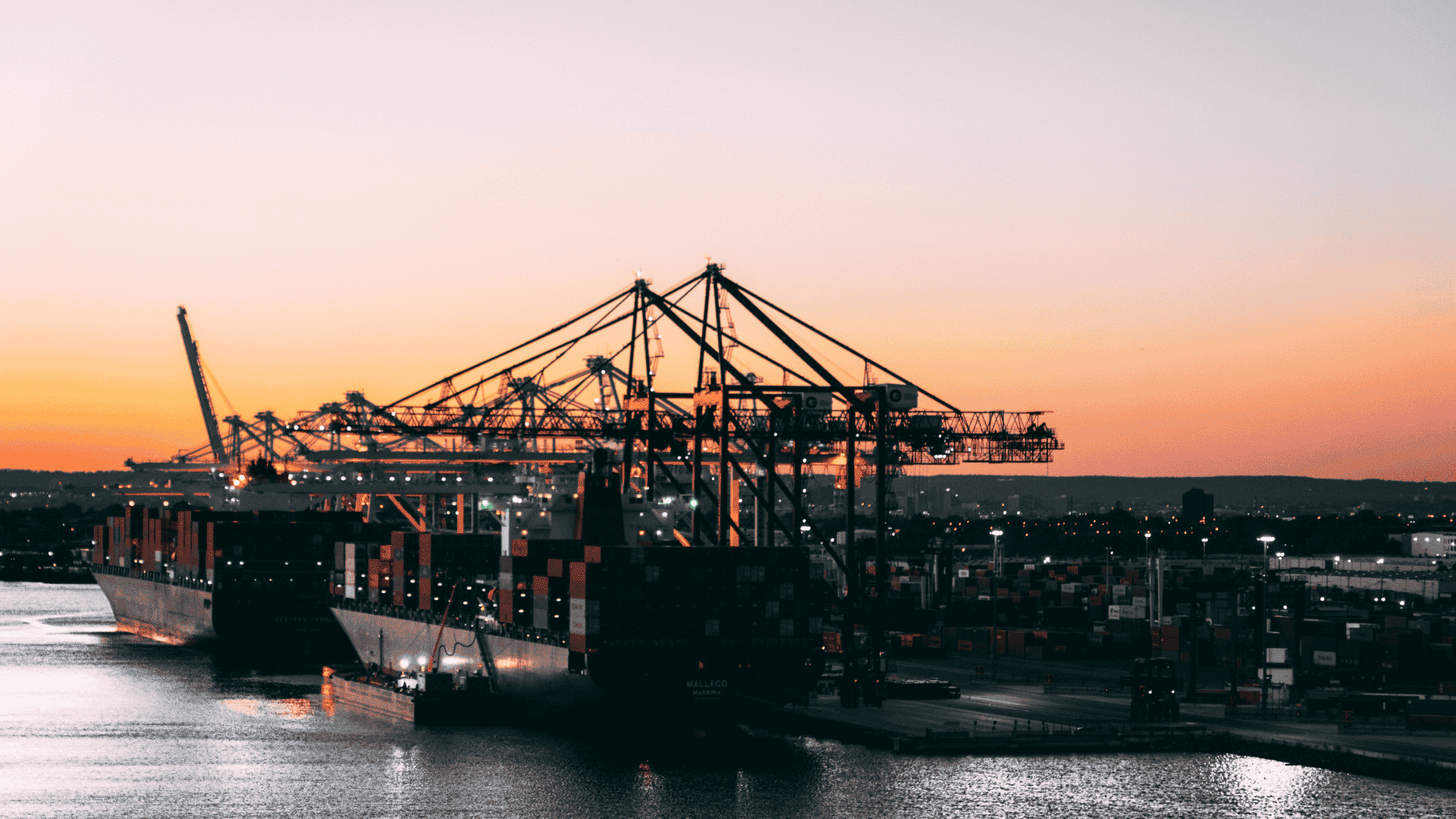
As Chinese New Year (CNY) approaches, global logistics enters a particularly sensitive phase. This period does not only concern China, but also other major countries in the Asian supply chain such as Vietnam (Tết) and Cambodia. Each year, these celebrations have a direct impact on industrial production, transport capacity and transit times. For importers and exporters, anticipation becomes a decisive factor to secure flows and avoid supply chain disruptions. Understanding Chinese New Year and its logistics challenges A tradition with major industrial consequences Chinese New Year is the most important celebration in the Asian calendar. It is accompanied by extended holidays and massive worker movements back to their home regions. In practice, this results in: Closures extending across several Asian countries While China is at the heart of this period, Vietnam and Cambodia are also affected. These countries play a key role in many production chains, and their simultaneous shutdown further amplifies the global impact on international flows. Operational calendar: key dates to anticipate Closures in China Last departures and maritime recovery These dates may vary depending on ports, carriers and operational conditions, but they provide essential reference points to plan your shipments. A peak of pressure on maritime and air transport Maritime transport: strong pressure before the holidays The weeks leading up to Chinese New Year concentrate very high demand for maritime transport. Every shipper seeks to move goods before closures, which leads to: After the holidays, capacities often remain adjusted by carriers, extending transit times and reducing available options. Air freight: demand peak and reduced capacity Air freight also experiences strong pressure up to the eve of the holidays, with: Here again, anticipating space requests is essential to secure urgent shipments. Best practices to secure your flows during CNY Anticipating orders and bookings To limit the risk of delays, it is recommended to: Adapting post-CNY planning The restart of activity can be gradual and vary by region. It is therefore essential to: CHECK OUT OUR TRANSPORT SERVICES At Nexline, we support our partners at every stage of these sensitive periods. Thanks to our operational expertise and close coordination with our local teams, we help you anticipate constraints, secure capacity and adjust your logistics flows. Our teams remain at your disposal to analyze your needs, provide up-to-date operational information and offer the most suitable solutions for your supply chain.
CBAM: what importers must anticipate starting now

The Carbon Border Adjustment Mechanism (CBAM) represents a major shift for international trade and import operations into the European Union. Designed as a mirror mechanism to the European carbon market (EU ETS), it aims to apply a carbon price to imported products in order to ensure fair competitive conditions. For Nexline, this regulation is above all a matter of logistics and customs anticipation for the importers concerned. CBAM at a glance: a new framework for imports CBAM is part of the European legislative package “Fit for 55” and pursues a clear objective: to combat carbon leakage by integrating imports into the carbon pricing logic already applied to European producers. Products covered by CBAM The mechanism applies in particular to imports of: Identifying the goods concerned is based on customs nomenclatures (CN codes), a key element in the management of international flows. A timeline importers must master A transitional period until the end of 2025 From October 2023 until 31 December 2025, importers must ensure quarterly emissions reporting, with no payment required at this stage. This phase allows companies to familiarise themselves with CBAM reporting obligations. An operational phase starting on 1 January 2026 From January 2026, the mechanism enters its operational phase. Importers will then be required to: Without a valid status, goods may be blocked at customs. Nexline’s perspective on CBAM For Nexline, CBAM goes beyond a regulatory obligation. It directly affects the preparation of customs files, the planning of import flows and the security of international logistics operations. Anticipating deadlines, accurately identifying the products concerned and structuring administrative procedures are essential to avoid any disruption in the supply chain. CHECK OUT OUR TRANSPORT SERVICES CBAM introduces a new carbon dimension into import-export operations with the European Union. Importers must now integrate these requirements into the day-to-day management of logistics and customs flows. At Nexline, this evolution reinforces the importance of a rigorous understanding of international regulations in order to anticipate operational impacts and secure trade flows.
Ocean Alliance modifies the FAL1 route via Suez: a strategic shift for maritime logistics
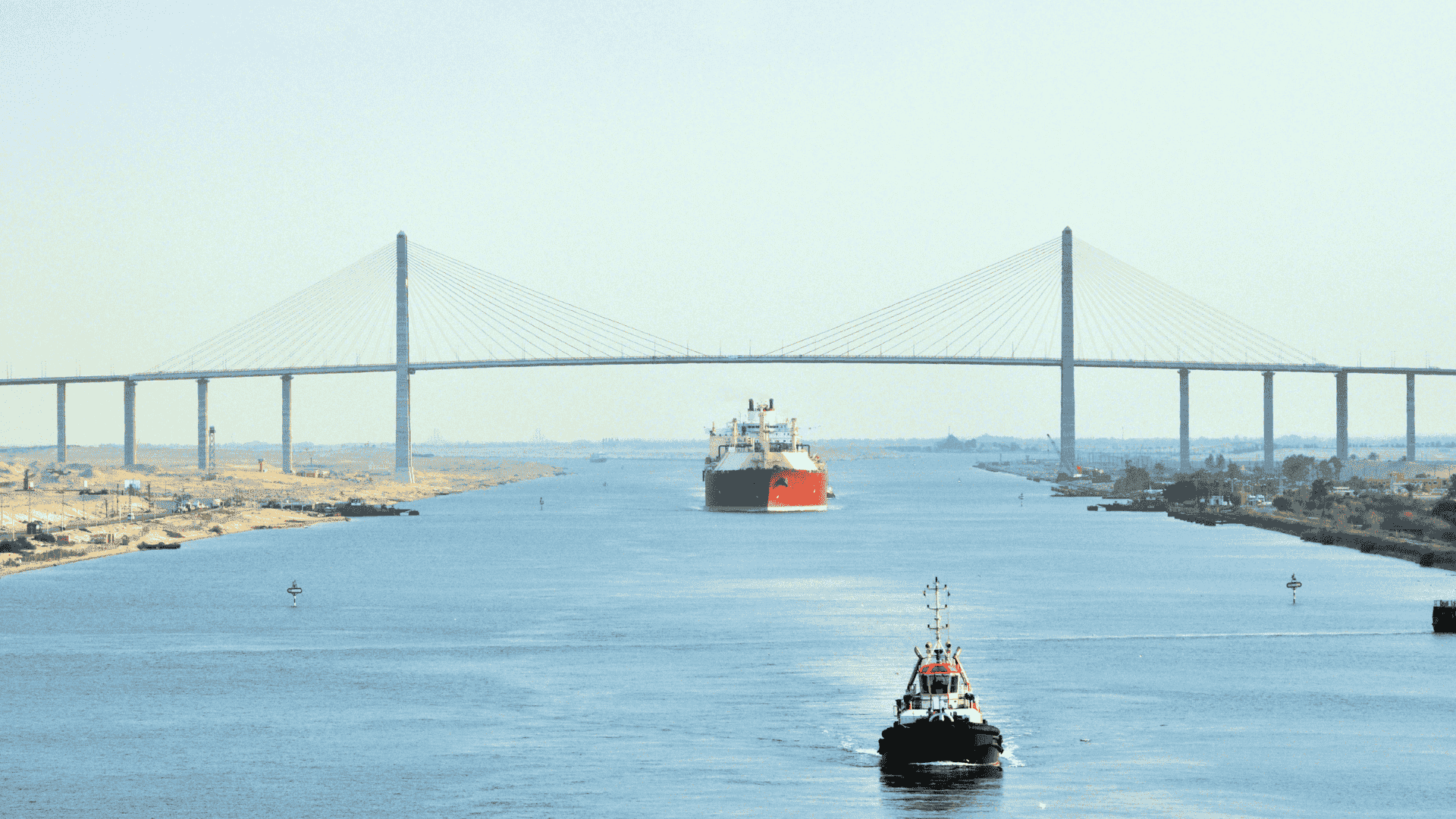
International maritime transport continues to adapt to an operational environment in constant evolution. The latest example: Ocean Alliance has decided to modify the eastbound route of its FAL1 service, reintroducing a passage via the Suez Canal, with a new strategic call at Jeddah, in the Red Sea. For players in international logistics, and particularly for Nexline, this type of route adjustment illustrates the ongoing trade-offs between security, transit times and supply chain fluidity. Understanding the change to the FAL1 service route The FAL1 service has historically connected Northern Europe with Asia. Ocean Alliance’s decision to modify the eastbound route is part of a broader effort to optimise flows, while taking into account current constraints on major maritime routes. A partial reintroduction of the Suez Canal Under this new configuration, the eastbound leg of the FAL1 service once again passes through the Suez Canal, with an additional call at Jeddah. This adjustment makes it possible to shorten eastbound transit times, with an estimated reduction of around one week over the full rotation. From Nexline’s perspective, this decision confirms that Suez remains a structuring axis of global trade, even if its use is now more selective and progressive. A route that remains hybrid It is important to note that this reintroduction of Suez applies only to the eastbound leg. The return journey to Europe continues to be routed via the Cape of Good Hope, illustrating a cautious and pragmatic approach by carriers in the face of persistent geopolitical risks. For Nexline, this hybrid routing logic has become a key element in analysing transit times and the reliability of maritime services. Impacts on international maritime logistics of the FAL1 Route Better-controlled transit times The reduction in the overall rotation time of the FAL1 service allows for improved synchronisation of flows between Europe and Asia. This enables more precise shipment planning, a critical factor for the international supply chains monitored by Nexline. Strengthened connectivity in the Red Sea The addition of Jeddah as a port of call reinforces connectivity between Europe, the Middle East and Asia. This region is playing an increasingly important role in global trade, and Nexline observes growing attention being paid to these intermediate hubs in maritime strategies. A logistics sector in constant adaptation This route change reflects a reality well known to Nexline’s teams: maritime logistics is no longer static. Alliances continuously adjust their services to maintain a balance between performance, security and geographic coverage. Nexline’s perspective on the FAL1 Route evolution For Nexline, Ocean Alliance’s modification of the FAL1 service is a clear signal that maritime routes are entering a phase of long-term adaptation. Decisions taken today are not solely responses to short-term situations, but part of the construction of more flexible and resilient logistics frameworks. This ability to anticipate and analyse developments in maritime transport is essential to effectively support international supply chains. CHECK OUT OUR TRANSPORT SERVICES The revision of the FAL1 route via the Suez Canal, with a strategic call at Jeddah, confirms that global maritime transport continues to evolve. For Nexline, these changes underline the importance of closely monitoring decisions taken by shipping alliances in order to anticipate their impact on flows, transit times and the structuring of international logistics chains.
International Last-Mile Logistics: Challenges, Solutions and Strategies at Nexline
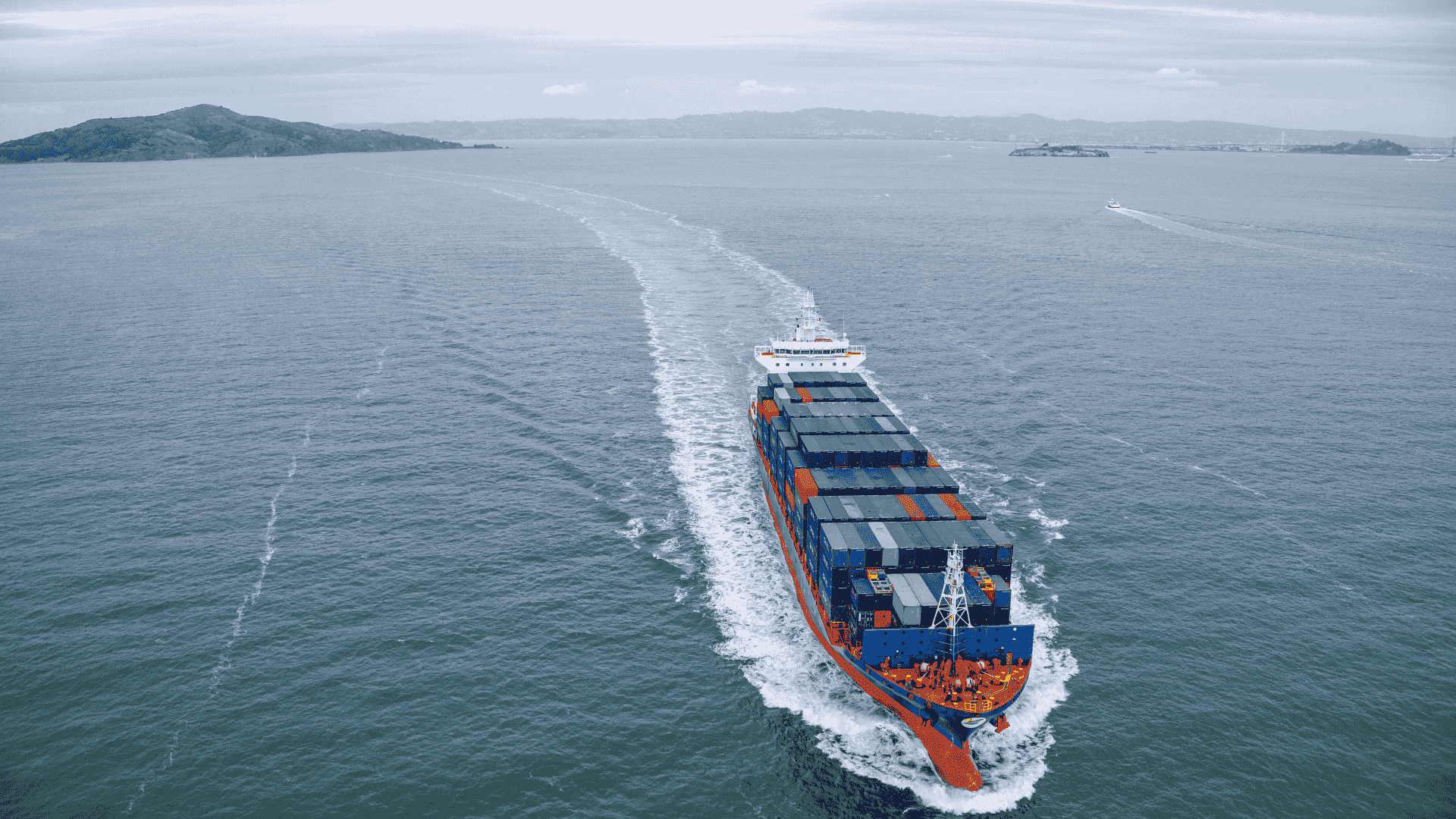
International last-mile logistics is evolving rapidly, driven by the growth of e-commerce and rising customer expectations for speed and transparency. In this context, Nexline positions itself as a strategic partner, delivering tailored logistics solutions to address the complexity of cross-border deliveries and optimise the entire supply chain. The challenges of international logistics before the last mile Before reaching the final delivery stage, companies face a number of specific challenges that impact the entire international logistics operation. Regulatory complexity and compliance The diversity of customs regulations, local standards and administrative procedures requires in-depth expertise to ensure smooth, disruption-free deliveries. For Nexline, mastering these frameworks is essential to avoid delays and unforeseen costs throughout the international journey. Costs and lead-time control Costs related to customs duties, taxes and cross-border transport can significantly affect competitiveness. Distance, transhipments and global supply chain disruptions may extend delivery times. A proactive approach allows Nexline to anticipate these factors and optimise logistics flows. Shipment visibility Ensuring full visibility of international shipments remains a major challenge. Today, integrated technological platforms enable real-time tracking, a key element of Nexline’s commitment to transparency and reliability. Sustainability Reducing carbon footprint has become a strategic priority. Route optimisation, the integration of cleaner multimodal solutions and a sustainable approach are integral parts of the logistics services developed by Nexline. Strategies to optimise cross-border deliveries To go further in optimisation, several operational and strategic levers can be activated. These practices improve cost control, delivery reliability and service quality, while strengthening overall supply chain performance. Shipment consolidation Shipment consolidation involves grouping several consignments into a single flow to optimise transport capacity. This approach reduces unit costs, limits handling points and improves delivery reliability. It also helps lower the environmental impact by reducing the number of transport movements required. Deployment of local warehouses Storing goods close to destination markets is a strategic lever to accelerate cross-border deliveries. Local or regional warehouses reduce last-mile delivery times, limit repeated customs formalities and better absorb demand fluctuations. This organisation enhances operational responsiveness and significantly improves the customer experience. Returns management policy A clear and structured returns policy is essential in an international context. It reassures customers and facilitates cross-border trade. Implementing simple, transparent processes adapted to local specificities helps control return-related costs while preserving customer relationships and operational fluidity. CHECK OUT OUR TRANSPORT SERVICES International last-mile logistics has become a structuring issue for companies operating beyond their domestic markets. The increase in cross-border flows, regulatory complexity, pressure on delivery times and growing sustainability expectations require a fundamental rethink of traditional logistics models. At Nexline, we observe this transformation of the sector every day. Logistics performance is no longer based solely on speed, but on the ability to anticipate, coordinate and optimise the entire supply chain. Shipment visibility, cost control, operational flexibility and the integration of responsible practices are now key criteria for securing international deliveries.
Security in international logistics: challenges, risks and perspectives in 2025
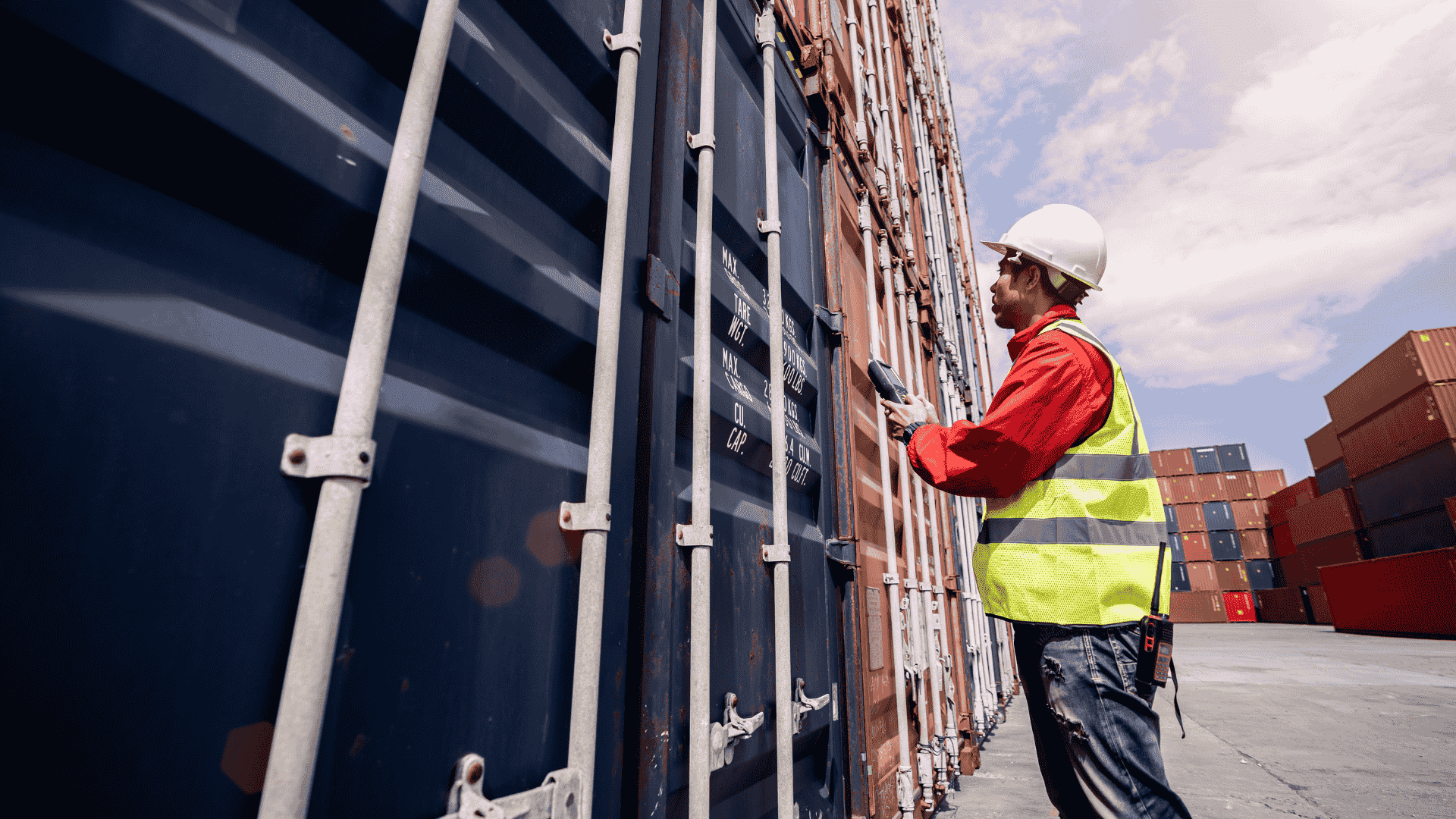
Security in international logistics has become one of the most sensitive topics in 2025. Between geopolitical tensions, sophisticated fraud, theft in transit areas or documentary manipulation, global transport chains must cope with an unprecedented level of risk. In a context where sea freight operations, air freight and multimodal transport are increasingly interconnected, understanding these threats is essential for companies wishing to protect their flows and strengthen their operational continuity. At Nexline, these developments are observed daily in different international scenarios, revealing a clear trend: logistics security is no longer a secondary subject, but a fundamental strategic axis. The major risks weakening international logistics The global logistics chain now faces a combination of operational, criminal and geopolitical risks. Some have existed for a long time, but others, more recent, have grown in scope due to an unstable global environment. It is therefore essential to maintain this security in international logistics. Theft and fraud: persistent threats Cargo theft remains particularly frequent in maritime and air transshipment areas. Among the most common cases, we also find the falsification of customs declaration documents, the manipulation of shipping data or the modification of certificates of origin. These practices lead to economic losses, cause delays and give rise to administrative disputes that can paralyse an entire logistics chain. CHECK OUT OUR TRANSPORT SERVICES Technologies transforming logistics security Faced with these growing risks, technological innovations now provide a real and operational response. They make it possible not only to monitor and alert, but also to predict incidents before they occur. Artificial intelligence and Big Data: predicting risks Artificial intelligence analyses large volumes of data in real time and identifies “invisible” anomalies: inconsistencies in declarations, suspicious behaviour on a maritime or air route, or abnormal variations in logistics movements. Thanks to these technologies, early detection is possible and supply chains can act before the incident, rather than suffer its consequences. Blockchain: enhanced traceability Blockchain provides a secure register that guarantees the traceability of goods. Every movement, every validation, every document, including those related to customs declaration, is timestamped and tamper-proof. In an international environment where information circulates between many actors, this transparency reduces the risk of manipulation and improves collaboration between carriers, authorities and infrastructure. Logistics security: a shared global responsibility Ensuring safe international logistics requires close cooperation between customs authorities, port and airport infrastructures, as well as partners specialising in logistics and transport. The harmonisation of standards, documentary coordination and the exchange of reliable information are now essential conditions for streamlining trade and limiting the risk of incidents. CHECK OUT OUR TRANSPORT SERVICES International logistics is evolving at great speed. Risks are increasing, but technological solutions are strengthening. Understanding, analysing and anticipating these transformations is the key to building resilient supply chains. With this in mind, Nexline maintains its commitment to international trade players, in an environment where security has never been so decisive.
Nexline Group joins Freyt World: a new alliance for a more connected global logistics network
Nexline Group – SAYL International Logistics takes a new step in its international development by joining the Freyt World community, a global network bringing together more than 165 members across 110 countries.A partnership built on three values that define our industry: trust, transparency and innovation. A global network powering collaborative logistics In the world of international logistics, collaboration is not a luxury — it’s a necessity.Behind every successful shipment lies a chain of trusted partners, harmonised processes and seamless communication. By joining Freyt World, Nexline Group becomes part of a global network of freight forwarders and supply-chain specialists who share a common ambition: to make international trade smoother, more reliable and more human. A shared commitment: trust, innovation and transparency Freyt World’s values align perfectly with Nexline’s DNA: This partnership offers Nexline an international ecosystem of exchange and collaboration, where members share knowledge, tools and best practices to collectively enhance the overall performance of the sector. A community driven by logistics excellence Freyt World is not just a network of companies.It is an international community in which every member commits to high standards of quality, responsiveness and integrity. For Nexline, joining Freyt World means taking part in a movement that promotes: This alliance opens up new opportunities for our clients, who now benefit from broader global coverage and seamless service continuity from one country to another. EXPLORE OUR TRANSPORT SERVICES Together, for a smoother global supply chain In a constantly shifting world, the global supply chain must balance performance with resilience.Recent crises have shown how crucial it is to rely on trusted partners, able to collaborate effectively at every link of the chain. By joining Freyt World, Nexline reaffirms a core belief: the strength of a logistics company lies not only in its capabilities, but in the quality of its network and its human relationships. Through this partnership, our teams will continue to find solutions in an unpredictable world, with the same rigour and commitment that define our reputation. A shared vision: building the logistics of tomorrow Joining the Freyt World network is fully aligned with Nexline’s global vision: designing a human-scale international logistics model where technology and collaboration enhance reliability.Every new partnership we build becomes another bridge toward a global supply chain that is connected, seamless and sustainable.
Nexline Group joins Freyt World: a new alliance for a more connected global logistics network
Nexline Group – SAYL International Logistics takes a new step in its international development by joining the Freyt World community, a global network bringing together more than 165 members across 110 countries.A partnership built on three values that define our industry: trust, transparency and innovation. A global network powering collaborative logistics In the world of international logistics, collaboration is not a luxury — it’s a necessity.Behind every successful shipment lies a chain of trusted partners, harmonised processes and seamless communication. By joining Freyt World, Nexline Group becomes part of a global network of freight forwarders and supply-chain specialists who share a common ambition: to make international trade smoother, more reliable and more human. A shared commitment: trust, innovation and transparency Freyt World’s values align perfectly with Nexline’s DNA: This partnership offers Nexline an international ecosystem of exchange and collaboration, where members share knowledge, tools and best practices to collectively enhance the overall performance of the sector. A community driven by logistics excellence Freyt World is not just a network of companies.It is an international community in which every member commits to high standards of quality, responsiveness and integrity. For Nexline, joining Freyt World means taking part in a movement that promotes: This alliance opens up new opportunities for our clients, who now benefit from broader global coverage and seamless service continuity from one country to another. EXPLORE OUR TRANSPORT SERVICES Together, for a smoother global supply chain In a constantly shifting world, the global supply chain must balance performance with resilience.Recent crises have shown how crucial it is to rely on trusted partners, able to collaborate effectively at every link of the chain. By joining Freyt World, Nexline reaffirms a core belief: the strength of a logistics company lies not only in its capabilities, but in the quality of its network and its human relationships. Through this partnership, our teams will continue to find solutions in an unpredictable world, with the same rigour and commitment that define our reputation. A shared vision: building the logistics of tomorrow Joining the Freyt World network is fully aligned with Nexline’s global vision: designing a human-scale international logistics model where technology and collaboration enhance reliability.Every new partnership we build becomes another bridge toward a global supply chain that is connected, seamless and sustainable.