
WeChat: Why Nexline Uses 125 Accounts for Logistics in China
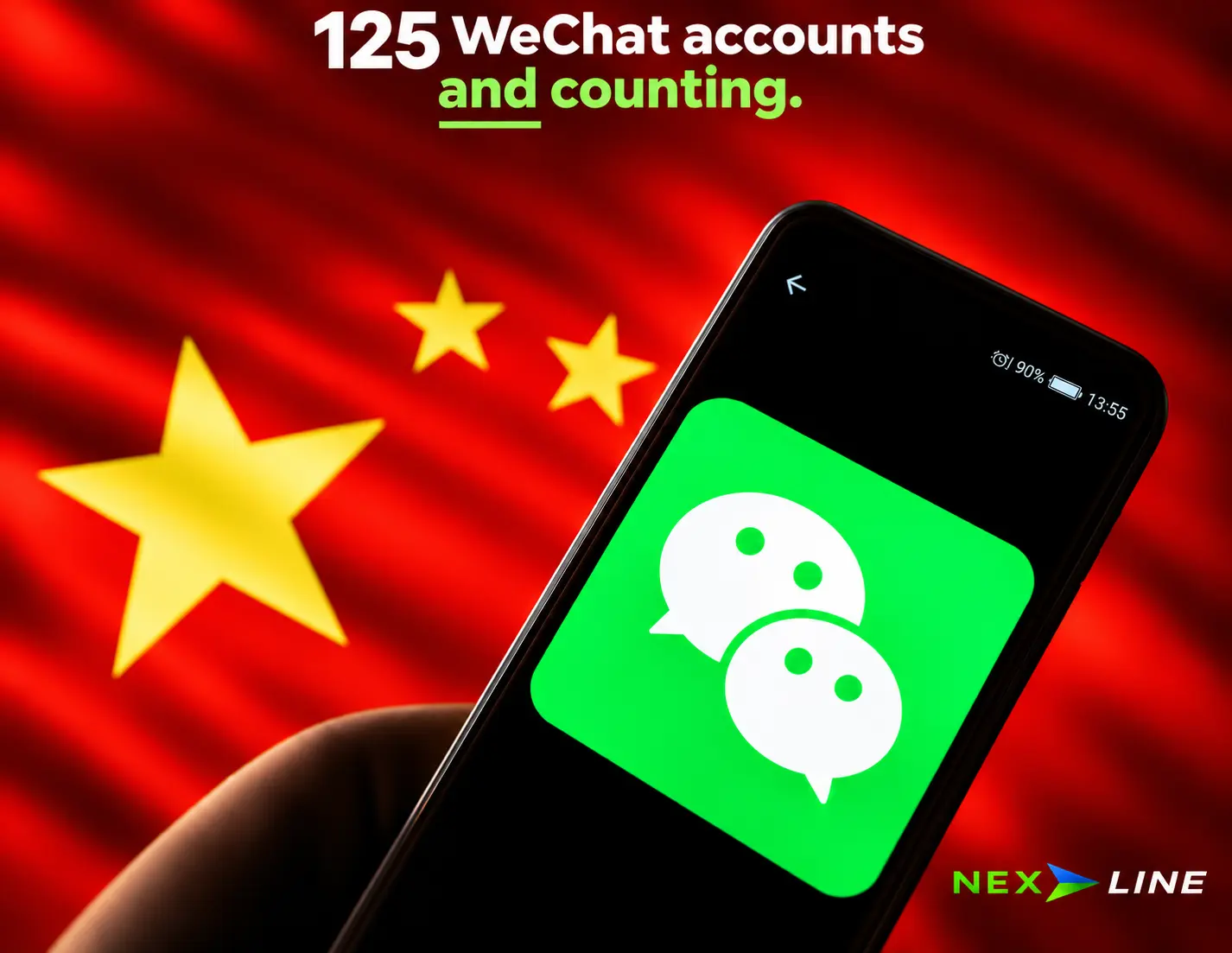
125 WeChat accounts across Nexline Group. At this point, we might deserve a shareholder discount from Tencent! Behind this rather unusual number is an everyday business reality. In China, WeChat plays an important role in communication between companies, suppliers and logistics partners. From sharing updates to coordinating operations, many professional relationships are maintained through the app. As Nexline has expanded its presence in China and across Asia, the number of conversations has naturally grown. And those 125 accounts reveal something about how we work: international logistics depends on people who know their markets, stay connected and solve problems together. WeChat in China: More Than a Messaging App Developed by Tencent, WeChat is widely used for personal and professional communication in China. For international companies working with Chinese suppliers, the application provides a familiar way to stay in contact with local partners. Messages, calls, document sharing and group conversations make it possible for several people to exchange information without organising a formal meeting for every question. In logistics, these everyday exchanges can be particularly useful. A shipment may involve a manufacturer, a freight forwarder, a carrier and a local warehouse. Each participant needs accurate information to complete their part of the operation. For example, a supplier might need to confirm when goods are ready for collection. A logistics partner may need additional information about packaging or loading arrangements. WeChat can help the people involved communicate directly and clarify these details. Of course, messaging applications do not replace shipment-tracking systems, official transport documents or customs procedures. They complement the tools used to manage international shipments. For companies involved in logistics in China, knowing how local partners communicate is part of understanding how business works. 125 WeChat Accounts: How Nexline Stays Connected So, why does Nexline need 125 WeChat accounts? The answer lies in the development of our activities and relationships across China and Asia. Every new office brings new contacts. New teams join existing conversations and create their own discussion groups. New clients introduce additional suppliers and logistics partners. And when an unexpected logistics issue arises, several people may suddenly need to exchange information. Across Nexline Group, these growing connections have resulted in 125 WeChat accounts. That is quite a contribution to the platform’s user base! But the number also reflects the importance of maintaining direct communication with the people involved in our operations. Our teams use these exchanges to stay connected with clients, suppliers and partners, share relevant information and coordinate the different stages of shipments. This approach supports our work across Asia, where understanding local business practices is essential. It also reflects our growing presence in China, including our Nexline office in Guangzhou. Behind each account are professional relationships that help our teams stay close to the markets in which they operate. Business Communication in China: Why Local Relationships Matter In international freight forwarding, even a well-planned shipment can encounter an unexpected situation. Goods might not be ready at the agreed collection time. A transport schedule may change. A supplier might need clarification before releasing a shipment. Resolving these situations requires accurate information and coordination between the people involved. This is where business communication in China becomes particularly important. Local partners understand their market’s working practices and operational constraints. Direct exchanges help them explain what is happening and identify possible solutions with the other stakeholders. Trust also matters. Partners who communicate regularly can develop a better understanding of one another’s expectations and responsibilities. For Nexline, maintaining these relationships is an important part of organising reliable logistics operations. Technology helps people exchange information. Their knowledge, availability and ability to work together determine how that information is used. International Logistics: Nexline’s Human Approach At Nexline, our role is to organise transport solutions and coordinate the partners involved in our clients’ supply chains. We work with an international network of logistics professionals while maintaining close relationships with local teams and partners. This combination helps us understand the specific requirements of each market and organise shipments according to our clients’ needs. Through our integrated logistics solutions, we coordinate the different stages of transport and supply chain operations. WeChat is one example of how everyday communication supports this work. Logistics is global. Relationships remain local. You can have reliable systems, established transport routes and carefully planned processes. But when a question needs answering or an unexpected problem arises, the people involved still need to work together. As for our 125 WeChat accounts, we are still waiting for that Tencent loyalty card. Until then, we will keep building relationships and connecting the people who help international trade move forward. Working with suppliers in China or planning your next shipment across Asia? Contact the Nexline team to discuss your requirements and explore logistics solutions tailored to your business. EXPLORE OUR TRANSPORT SERVICES