
Reefer Container: How It Works, Dimensions and Benefits for Sea Freight
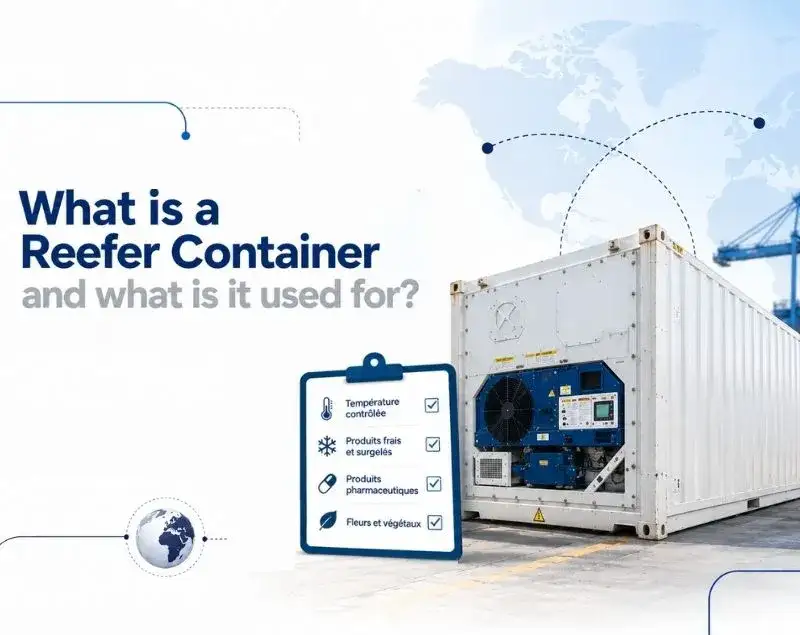
Shipping fresh produce, frozen food or temperature-sensitive goods across thousands of kilometres requires more than a standard shipping container. In international sea freight, a reefer container helps maintain controlled temperatures throughout the journey. But how does it work? What sizes are available? And how can businesses choose the right refrigerated container for their shipments? What Is a Reefer Container and What Is It Used For? A reefer container, also known as a refrigerated shipping container, is a temperature-controlled container equipped with an electric refrigeration system. Unlike a standard dry container, a reefer is designed to transport goods that require specific temperature conditions. Reefer containers are commonly used for: Refrigerated containers used in international transport are covered by ISO 1496-2:2018, which establishes technical specifications and testing requirements for thermal freight containers. How Does a Reefer Container Work? A reefer container uses an electrically powered refrigeration system to maintain the required temperature throughout the shipping journey. Its operation relies on three essential components: During sea freight transportation, the container is connected to the vessel’s electrical supply. Suitable power connections must also be arranged during port operations and inland transport. What Types of Cooling Systems Are Used in Refrigerated Transport? Refrigerated transport equipment can use different cooling technologies and configurations: Most modern maritime reefer containers use vapour-compression refrigeration technology, combining a compressor, condenser, expansion device and evaporator to regulate temperature. External generators may provide electricity during inland transport, but they are power sources rather than separate cooling technologies. For additional technical information, consult the white paper on refrigerated maritime containers, developed through the Greener Reefers initiative with contributions from GIZ and the Kuehne Climate Center. What Is the Typical Operating Temperature Range of a Reefer Container? Standard reefer containers commonly support temperature settings of approximately -25°C to +25°C, although the exact operating range varies by manufacturer and model. Specialised ultra-low-temperature containers can maintain significantly lower temperatures for products requiring exceptional preservation conditions. The correct setting depends on the type of cargo, its preservation requirements and the specifications of the equipment selected. Important: a reefer container is primarily designed to maintain cargo at its required transport temperature, not to rapidly cool products loaded at an unsuitable temperature. Proper pre-cooling is essential when required. Reefer Container Dimensions and Capacities Two of the most common refrigerated shipping container formats are the 20-foot reefer and the 40-foot High Cube reefer. Specification 20ft Reefer 40ft High Cube Reefer Internal length Approx. 5.46 m Approx. 11.58 m Internal width Approx. 2.29 m Approx. 2.29 m Internal height Approx. 2.27 m Approx. 2.56 m Nominal internal volume Approx. 28 m³ Approx. 67 m³ Typical use Smaller shipments or dense cargo Larger-volume shipments Figures are indicative. Actual dimensions and loading capacity vary depending on the manufacturer and equipment model. Always confirm the specifications before booking. Which Reefer Container Should You Choose? The 20ft reefer container is suitable for shipments requiring less loading space, particularly when transporting relatively dense goods. The 40ft High Cube reefer container offers greater internal volume and additional height, making it suitable for larger shipments. However, container size is not the only consideration. Businesses should also evaluate cargo weight, packaging, temperature requirements, airflow and equipment availability along the planned shipping route. EXPLORE OUR TRANSPORT SERVICES What Are the Benefits of Using a Reefer Container? Refrigerated sea freight offers several advantages for companies importing or exporting perishable and temperature-sensitive goods. 1. Preserving product quality Maintaining appropriate temperatures helps reduce the risk of deterioration during long sea journeys. 2. Shipping perishable goods over long distances Reefer containers make it possible to transport temperature-sensitive products between continents, including on routes lasting several weeks. 3. Adapting storage conditions to the cargo Depending on the equipment, ventilation, humidity and controlled-atmosphere settings may be available for specific types of goods. 4. Improving cold chain visibility Monitoring equipment can help track and record temperature conditions throughout the shipment. Practical Example: Exporting Fresh Produce by Sea Imagine a French food exporter shipping fresh fruit to an overseas market. Before loading, the company must establish the correct transport temperature, prepare the products and select a suitable refrigerated container. Pallet positioning is also important to ensure that air can circulate effectively around the cargo. The International Maritime Organization (IMO) provides guidance on safe container packing and cargo securing through the CTU Code, developed jointly with the ILO and UNECE. What Are the Disadvantages of Reefer Containers? Despite their benefits, refrigerated shipping containers also involve operational constraints. These limitations do not make reefer containers unsuitable for international shipping. They highlight the importance of proper shipment planning and coordination. How to Organise Sea Freight with a Reefer Container Successful refrigerated sea freight requires careful coordination before, during and after the ocean journey. Here are five essential steps: For some perishable food shipments, specific rules may also apply during inland transport. The United Nations Economic Commission for Europe (UNECE) publishes the ATP Agreement, which establishes requirements for transporting certain perishable foodstuffs and the equipment used. Its scope primarily covers international road and rail transport, as well as certain short sea crossings of less than 150 km under specified conditions. It does not generally regulate long-distance ocean freight operations. For shipments involving inland delivery, Nexline also provides road freight solutions. Businesses should also anticipate documentation and customs requirements. Discover Nexline’s customs declaration services for international shipments. FAQ: Frequently Asked Questions About Reefer Containers What Are the Best Reefer Containers for Refrigerated Transport in Europe? There is no single best reefer container for every shipment. The 20ft reefer and 40ft High Cube reefer are common options, but the most suitable choice depends on cargo volume, required temperature, product characteristics and transport conditions. Specialised equipment may also be necessary for ultra-low-temperature shipments. Which Companies Specialise in Refrigerated Container Leasing in Europe? Several types of companies provide refrigerated container solutions across Europe, including specialised container leasing companies, equipment suppliers and logistics providers. The right partner depends on whether a business needs to lease a refrigerated container, purchase equipment or arrange an international temperature-controlled shipment.