
Rail Transport: Nexline Attends the Inauguration of Dunkirk’s New Terminal
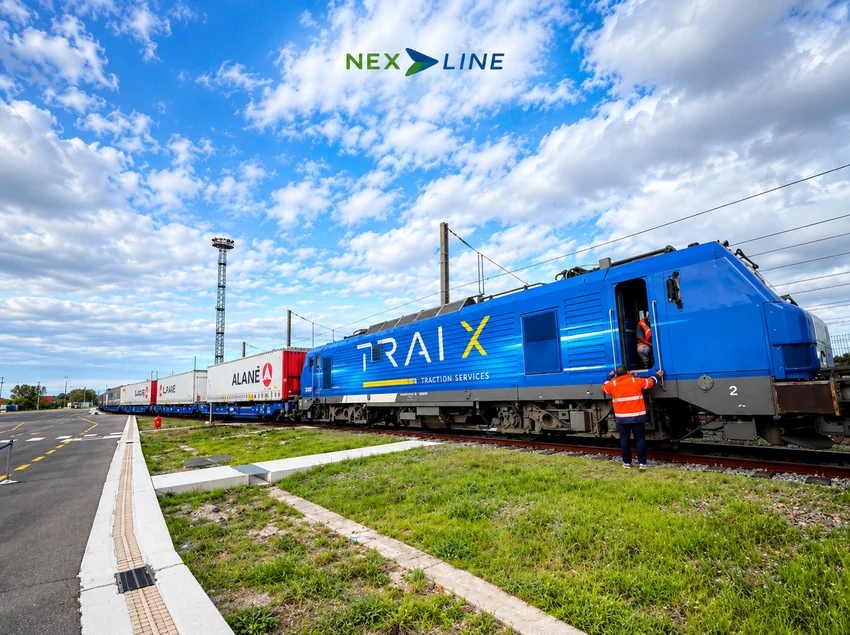
Rail transport continues to develop in northern France. On 15 October 2026, a new rail-road intermodal terminal was inaugurated at the Port of Dunkirk’s western harbour. This infrastructure opens up new opportunities for freight transport and multimodal logistics. To mark the occasion, Rislene, Head of Operations France, and Richard, Northern Operations Manager, represented Nexline Group alongside the teams from MODALIS, MODAL GROUP and Dunkerque-Port. The event brought together logistics professionals with a shared ambition: developing transport solutions that meet tomorrow’s operational and environmental challenges. A New Intermodal Terminal for Rail Transport in Dunkirk The new rail-road terminal at the Port of Dunkirk represents an important step in the development of the region’s rail transport infrastructure. Developed by MODAL GROUP and Dunkerque-Port, the 9.6-hectare facility features four 750-metre railway tracks. It enables semi-trailers and other intermodal transport units to be transferred between road and rail. The objective is to provide more alternatives to road-only freight transport, particularly over long distances. This infrastructure also improves connections between Dunkirk and major European logistics corridors. In fact, a rail connection between Dunkirk and Lyon has already been operating since September 2026, with three return services per week. At Nexline, we support these developments by offering our customers new transport options. You can learn more in our article about the Dunkirk–Lyon rail freight connection. Rail-Road Transport: Combining Rail and Road Freight Rail-road transport, also known as piggyback transport in certain contexts, involves transporting road vehicles or loading units, including semi-trailers, by train. This approach combines the advantages of two transport modes. Road freight provides flexibility for collections and final deliveries. Meanwhile, rail transport handles part of the journey, particularly over longer distances. For businesses, this combination creates new opportunities to organise freight movements. However, choosing rail transport requires several factors to be considered. Cargo volumes, destinations, available service frequencies and delivery deadlines all influence the most appropriate solution. That’s why we take a tailored approach at Nexline. We assess the available options before recommending a transport arrangement suited to each shipment. Developing More Sustainable Freight Transport The development of rail transport can also help reduce the environmental impact of freight operations. By shifting suitable freight movements from road to rail, companies can potentially reduce the CO₂ emissions associated with their logistics activities. The new Dunkirk terminal is part of this transition. According to Dunkerque-Port, the facility could eventually transfer up to 50,000 intermodal transport units from road to rail each year. This represents a potential saving of approximately 70,000 tonnes of CO₂ annually. These figures are projections rather than results already achieved. Nevertheless, they illustrate the role that new railway infrastructure could play in developing lower-emission freight transport. For the Hauts-de-France region, the project also supports local economic activity and the development of its logistics network. At Nexline, we share this ambition to improve transport practices. Our role is to help businesses identify the most appropriate solutions for their goods, operational constraints and environmental objectives. Through our rail freight services, we work with transport partners to develop solutions adapted to different types of shipments. Nexline in Dunkirk: Meeting Partners with a Shared Vision Beyond the infrastructure itself, the inauguration provided an opportunity to meet the organisations contributing to the development of the logistics sector. Rislene and Richard exchanged ideas with the teams from MODALIS, MODAL GROUP and Dunkerque-Port about their projects and shared ambitions. These discussions reflect values that matter to us at Nexline: an entrepreneurial mindset, a long-term vision and the determination to move projects forward. Our presence in the Hauts-de-France region also reflects our commitment to working closely with local businesses and logistics partners. We would like to thank the MODALIS and Dunkerque-Port teams for their invitation and warm welcome. Congratulations as well to everyone involved in bringing this new terminal to life. The development of rail transport is creating new opportunities. Our role is to turn these opportunities into practical logistics solutions that meet the needs of businesses. Are you considering rail or multimodal transport for your goods? Contact the Nexline team to discuss your freight requirements and explore the most suitable transport options. EXPLORE OUR FREIGHT SERVICES