
Maritime choke points: the strategic passages that keep global trade moving
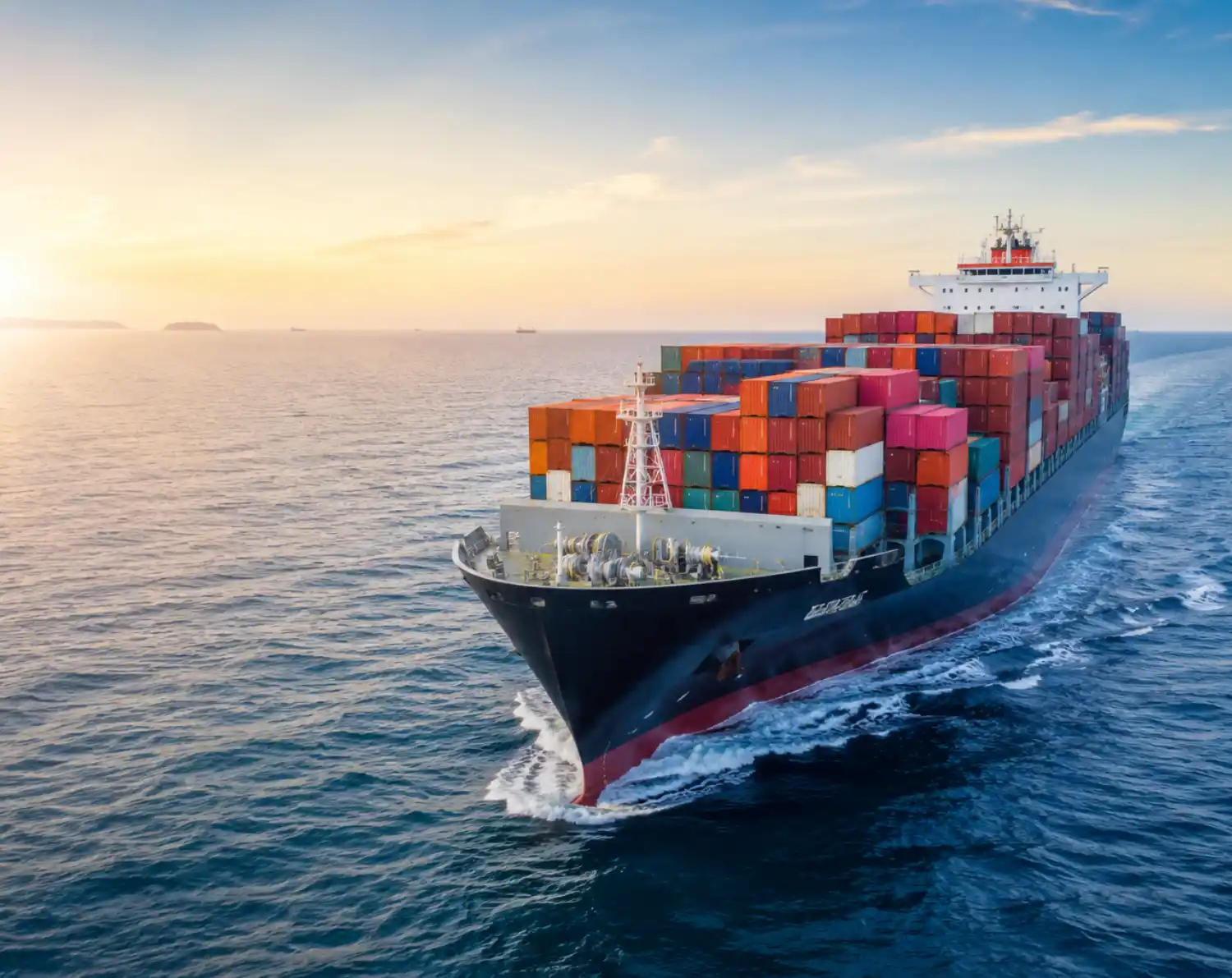
Global trade relies on a simple reality: a large share of goods moves through a handful of strategic maritime passages. These passages are known as choke points. They are narrow but essential areas where a significant portion of global maritime traffic converges. When everything runs smoothly, goods move efficiently and transit times remain under control. However, when a maritime choke point is disrupted, the consequences can be immediate: delays, rising costs, route changes, and capacity constraints. For supply chain managers, these locations are more than points on a map. They are critical areas that require constant monitoring. What is a maritime choke point? A maritime choke point is a mandatory or difficult-to-avoid passage for international shipping. It can be a canal, a strait, or a narrow maritime route connecting seas, oceans, or major trading regions. Their importance is straightforward: a large number of vessels must pass through the same location. As a result, if traffic slows down or the route becomes inaccessible, entire supply chains can be affected. Why are choke points so important? Companies aim to optimize three key elements: However, all three depend on external factors. Maritime choke points are among the most important. When a strategic passage is disrupted, the effects can spread quickly. First, transit times increase. Alternative routes are often longer and less efficient. Second, costs rise. Fuel prices, insurance premiums, vessel availability, and operational expenses can change rapidly. Finally, visibility decreases. A shipment may be ready, transportation booked, and customers expecting delivery. Yet if a route changes unexpectedly, the entire schedule must be adjusted. That is why supply chain anticipation has become essential. The main maritime choke points to monitor Several maritime choke points shape global trade routes. The most important are: A local disruption can quickly trigger global consequences. What are the risks for your supply chain? Choke points can create several risks for businesses: A maritime delay can impact port operations, inland transportation, warehousing, and final delivery. An efficient supply chain depends on seamless coordination between all stakeholders. How can you anticipate disruptions linked to choke points? It is impossible to control a canal, a strait, or a geopolitical crisis. However, it is possible to prepare your supply chain more effectively. We recommend that you: In today’s environment, logistics is no longer just about transportation. It is about anticipating, securing, and adapting your flows. Nexline: securing your flows in an unpredictable world At Nexline, we help businesses manage their international logistics flows. We act as a strategic supply chain partner. Our role is to design, coordinate, and manage logistics solutions tailored to your priorities: cost, transit time, visibility, reliability, and sustainability. Thanks to our international network of agents and partners, we coordinate operations across the world’s major trade routes. We help you stay on course, even when global routes become more complex. DISCOVER OUR TRANSPORT SERVICES