
Energy transition in logistics: From sustainability goal to strategic advantage
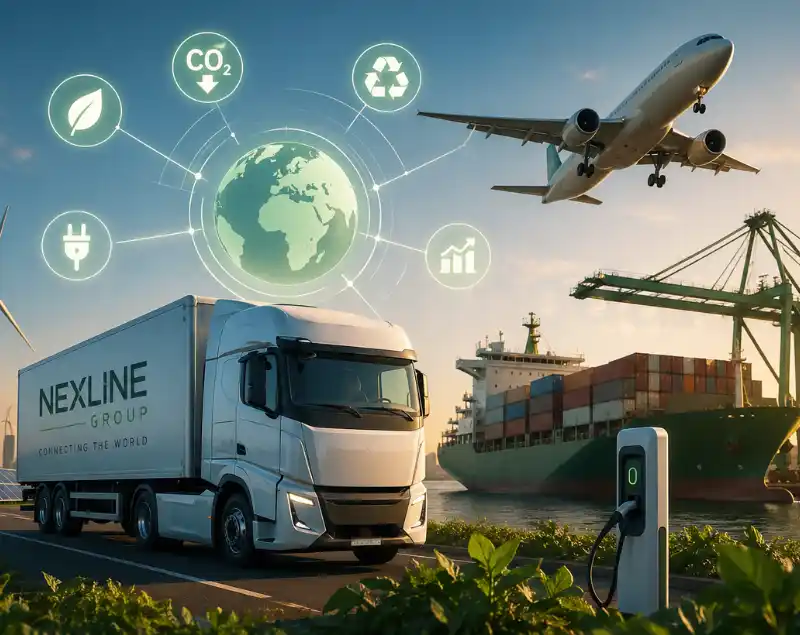
For many years, reducing dependence on oil was often seen as an environmental commitment. Choosing alternative energy solutions was mainly linked to sustainability goals and corporate social responsibility. Today, the situation has changed. In transport and supply chain management, the energy transition in logistics is becoming an economic necessity. Sustainability and profitability are finally moving in the same direction. For businesses, adapting early is no longer only about image. It is now a real competitive advantage. Why oil dependence has become a major risk Oil remains essential for many logistics operations. However, relying too heavily on it creates serious challenges: Companies that diversify their transport solutions gain flexibility and reduce risk exposure. Early movers are better prepared Businesses that invested early in alternative energy solutions did more than improve their CSR image. They also built operational resilience. Examples include: Electric Fleets Electric vehicles are expanding in urban delivery and last-mile logistics. Stronger Maritime Solutions Sea freight remains a strategic option to optimize costs and reduce reliance on air cargo. Diversified Transport Models Companies increasingly combine road, rail, sea and air depending on priorities. Better Cost Control Using multiple transport options lowers exposure to fuel volatility. A transition sill in progress The logistics energy transition is advancing, but several limits remain: Not every flow can change overnight. Still, the long-term direction is now clear. Energy independence is becoming a business advantage When oil becomes more expensive, unstable or difficult to access, prepared companies suffer less disruption. They can: For the first time, reducing oil dependence is no longer only a sustainability objective. It is a sound business decision. What this means for global logistics Real change happens in logistics when transformation becomes structural rather than symbolic. Shippers now look for partners able to provide: This is the approach followed by Nexline Group, helping businesses build agile and reliable transport solutions. The energy transition in logistics is no longer just a branding topic. It is a performance driver. Companies acting today are building tomorrow’s advantage: lower dependency, stronger stability and greater adaptability in a changing market. DISCOVER OUR TRANSPORT SERVICES
Workplace health and safety in logistics: performance and people

In the logistics sector, performance is often measured using concrete indicators. These include on-time delivery, service quality and compliance with safety standards. These elements are essential. They directly contribute to the trust clients place in companies like Nexline Group. However, there is another, less visible factor that plays an equally important role: the attention given to people. The Human Factor in Logistics Behind every successful operation, there are committed men and women. Their well-being directly impacts the quality of the service delivered. At Nexline Group, we believe that operational excellence must always go hand in hand with human commitment. This includes: Safety and Well-being: A Daily Commitment Workplace health and safety are not one-time initiatives. They are part of a continuous approach embedded in daily operations. In logistics, operational pressure is high. Deadlines are tight. Coordination is complex. Field conditions can be demanding. In this context, maintaining a balance between performance and working conditions is essential. In practice, this means: Listening to teams is also critical. They are the ones experiencing operations every day. They are best positioned to identify areas for improvement. The human touch to your supply chain Real transformation in logistics happens when people are placed at the center of operations. Taking care of teams is not only the right thing to do. It is also a powerful driver of performance, reliability and long-term success. A Reminder of what truly matters On World Day for Safety and Health at Work, April 28, it is important to highlight that these topics must remain a priority. They concern both employees and clients. Because efficient logistics is built on a sustainable balance between operational excellence and respect for people. Conclusion ? Workplace health and safety are not just regulatory requirements. They are a true lever for sustainable performance. At Nexline Group, people are at the heart of every decision, just like service quality and customer satisfaction.