
International Last-Mile Logistics: Challenges, Solutions and Strategies at Nexline
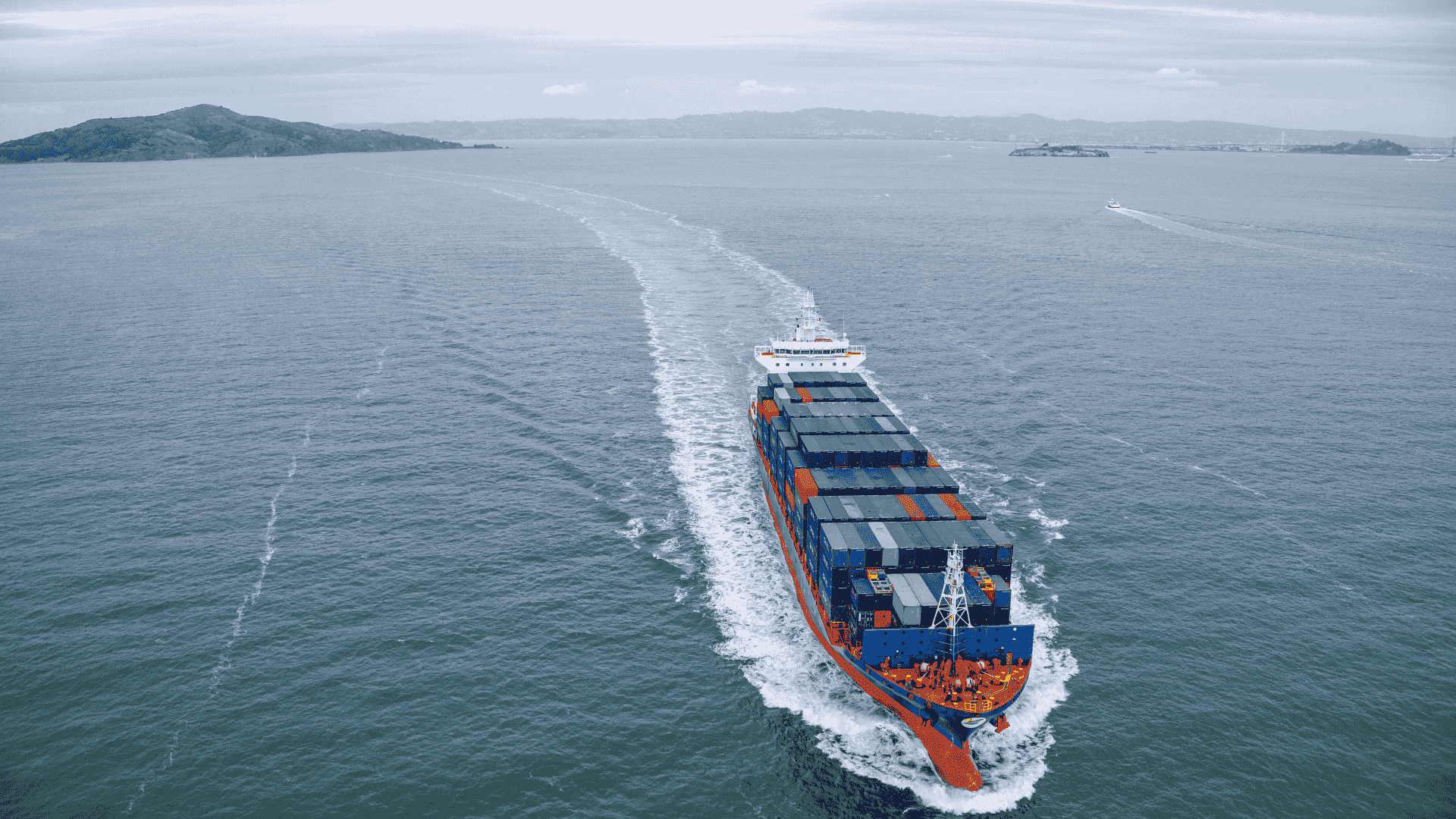
International last-mile logistics is evolving rapidly, driven by the growth of e-commerce and rising customer expectations for speed and transparency. In this context, Nexline positions itself as a strategic partner, delivering tailored logistics solutions to address the complexity of cross-border deliveries and optimise the entire supply chain. The challenges of international logistics before the last mile Before reaching the final delivery stage, companies face a number of specific challenges that impact the entire international logistics operation. Regulatory complexity and compliance The diversity of customs regulations, local standards and administrative procedures requires in-depth expertise to ensure smooth, disruption-free deliveries. For Nexline, mastering these frameworks is essential to avoid delays and unforeseen costs throughout the international journey. Costs and lead-time control Costs related to customs duties, taxes and cross-border transport can significantly affect competitiveness. Distance, transhipments and global supply chain disruptions may extend delivery times. A proactive approach allows Nexline to anticipate these factors and optimise logistics flows. Shipment visibility Ensuring full visibility of international shipments remains a major challenge. Today, integrated technological platforms enable real-time tracking, a key element of Nexline’s commitment to transparency and reliability. Sustainability Reducing carbon footprint has become a strategic priority. Route optimisation, the integration of cleaner multimodal solutions and a sustainable approach are integral parts of the logistics services developed by Nexline. Strategies to optimise cross-border deliveries To go further in optimisation, several operational and strategic levers can be activated. These practices improve cost control, delivery reliability and service quality, while strengthening overall supply chain performance. Shipment consolidation Shipment consolidation involves grouping several consignments into a single flow to optimise transport capacity. This approach reduces unit costs, limits handling points and improves delivery reliability. It also helps lower the environmental impact by reducing the number of transport movements required. Deployment of local warehouses Storing goods close to destination markets is a strategic lever to accelerate cross-border deliveries. Local or regional warehouses reduce last-mile delivery times, limit repeated customs formalities and better absorb demand fluctuations. This organisation enhances operational responsiveness and significantly improves the customer experience. Returns management policy A clear and structured returns policy is essential in an international context. It reassures customers and facilitates cross-border trade. Implementing simple, transparent processes adapted to local specificities helps control return-related costs while preserving customer relationships and operational fluidity. CHECK OUT OUR TRANSPORT SERVICES International last-mile logistics has become a structuring issue for companies operating beyond their domestic markets. The increase in cross-border flows, regulatory complexity, pressure on delivery times and growing sustainability expectations require a fundamental rethink of traditional logistics models. At Nexline, we observe this transformation of the sector every day. Logistics performance is no longer based solely on speed, but on the ability to anticipate, coordinate and optimise the entire supply chain. Shipment visibility, cost control, operational flexibility and the integration of responsible practices are now key criteria for securing international deliveries.