
Nexline: growth driven by people at the heart of international logistics

At the scale of the International Logistics sector, this is a period when a company is still building its foundations, refining its processes, and laying the groundwork for its organization. At Nexline, this milestone above all symbolizes a collective momentum, driven by committed teams and a real, on-the-ground international presence. Behind this growth, there is a clear vision: to make international logistics an activity that is controlled, connected, and deeply human. An international presence rooted in the field Logistics is not managed only from a screen. It is lived on the ground, close to flows, partners, and local realities. It is on this conviction that Nexline has built its development. Teams present where flows are created From Dhaka to Tunis, from Shenzhen to Paris, Nexline teams are established at the heart of strategic areas of international trade. This proximity makes it possible to better understand local constraints, anticipate risks, and maintain constant responsiveness across supply chains. In a sector as demanding as freight forwarding, this on-the-ground presence is an essential lever for reliability and operational fluidity. Connected and responsive logistics Being physically present does not mean operating in silos. Nexline teams evolve in a connected environment, where information circulates continuously between the different points of the network.This international coordination helps secure flows, improve communication, and ensure operational continuity, whatever the time zones or modes of transport. The Nexline Group spirit: a human chain above all Beyond the figures and locations, Nexline’s growth relies on a strong culture, shared by all teams. The human chain at the heart of the supply chain The Nexline Group spirit is first and foremost made up by our team invested in their mission, attentive to their clients’ challenges, and involved in the success of operations.In international logistics, human commitment remains a key performance factor, especially when it comes to managing the unexpected, regulatory complexity, or transport disruptions. Behind every supply chain, there is a human chain. Every shipment, every decision, every coordination relies on human interactions, on trust, and on the ability to work together in complex environments. It is this human dimension that Nexline places at the center of its approach, convinced that high-performing logistics is above all logistics carried by the people who make it happen. CHECK OUT OUR TRANSPORT SERVICES The 1,000 followers mark a milestone, but above all an encouragement to continue along the path already taken. This recognition reflects the interest in the analyses, values, and vision of international logistics that Nexline shares. In a constantly evolving sector, Nexline continues to grow with the same level of rigor: staying close to the field, connected to its teams, and attentive to people, wherever flows are organized.
Hyperautomation and international trade: how AI is transforming logistics operations
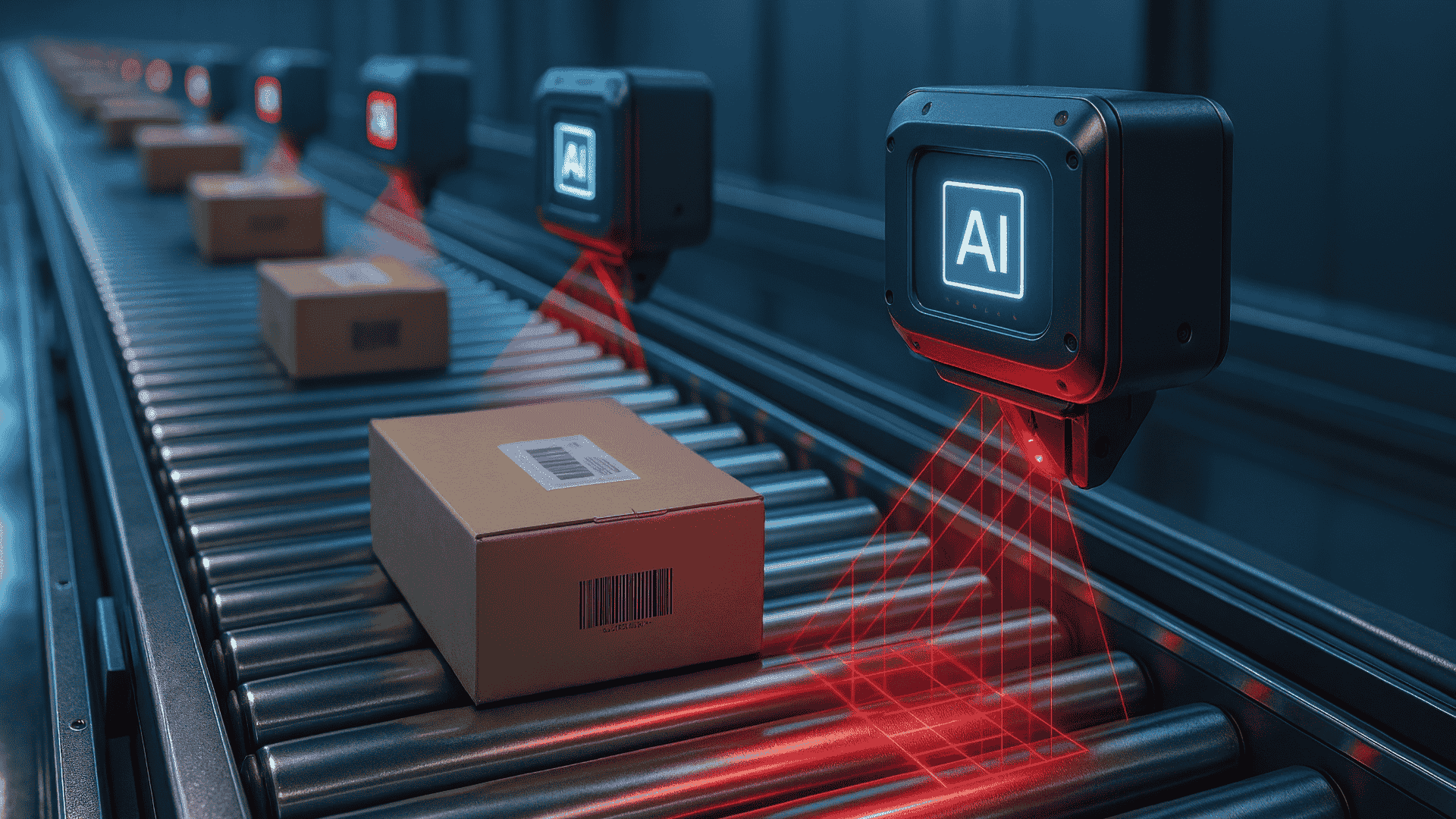
Hyperautomation AI is profoundly transforming the way international trade is managed. Document handling, customs declaration procedures, transport organization, shipment tracking, and regulatory compliance: these essential operations are becoming increasingly complex and exposed to risk when they still rely on manual processes. In an environment where logistics performance directly determines a company’s competitiveness, these operations can quickly become friction points when they are not properly optimized. In recent years, technological advances—particularly artificial intelligence—have deeply changed how international trade stakeholders approach global logistics. Whether in sea freight, air freight, or the overall coordination of transport flows, intelligent automation is progressively becoming a structuring lever. Hyperautomation AI as a driver of transformation in international trade Artificial intelligence now enables systems to analyze large volumes of data, identify recurring patterns, and execute repetitive tasks with a high level of reliability. Applied to logistics hyperautomation, it plays a key role in preparing import-export documents, verifying customs declaration files, tracking goods in transit, and managing multimodal transport flows. This shift addresses a clear challenge: reducing administrative workload, securing operations, and improving end-to-end visibility across increasingly complex supply chains. Beyond traditional automation, logistics hyperautomation relies on a combination of artificial intelligence, software robots, and process orchestration. This approach makes it possible to structure entire operations in a smooth and consistent way, while limiting manual interventions. Automating import-export activities In import-export operations, hyperautomation helps standardize document management and improve the reliability of information exchanges between all parties involved. Data is centralized, structured, and usable faster, which facilitates the preparation of compliance files and reduces the risk of errors linked to manual processing. This approach also enables better coordination between suppliers, carriers, and internal teams, by creating clearer and more fluid processes. CHECK OUT OUR TRANSPORT SERVICES End-to-end optimization of logistics processes At the scale of international logistics, hyperautomation supports finer synchronization between the different stages of the transport chain. Information circulates faster between procurement, warehousing, and distribution, providing a more coherent view of ongoing operations. This orchestration capability helps reduce lead times, limit internal friction, and improve responsiveness to unexpected events—especially in sea freight or air freight contexts that are subject to strong operational constraints. Traceability and real-time monitoring of transport flows One of the major contributions of these technologies lies in improved traceability. Companies now benefit from greater visibility into the location of goods, the status of shipments, and potential transit anomalies. This real-time monitoring makes it possible to anticipate delays, secure transport corridors, and make faster, better-informed decisions throughout the logistics chain. CHECK OUT OUR TRANSPORT SERVICES The digitalization of international trade marks a decisive step in the evolution of global logistics. Solutions based on artificial intelligence, advanced traceability, and document automation are gradually redefining industry standards. These changes highlight major challenges: the growing complexity of customs declaration obligations, the need to streamline interactions between different transport modes, and the importance of reliable information that is accessible in real time. From NEXLINE’s perspective, this evolution above all calls for a new way of reading and understanding logistics operations. Understanding these transformations means being able to anticipate, adapt decisions, and strengthen the resilience of transport chains in an international environment that is constantly evolving.