
What is an international freight forwarder? Complete definition and role.
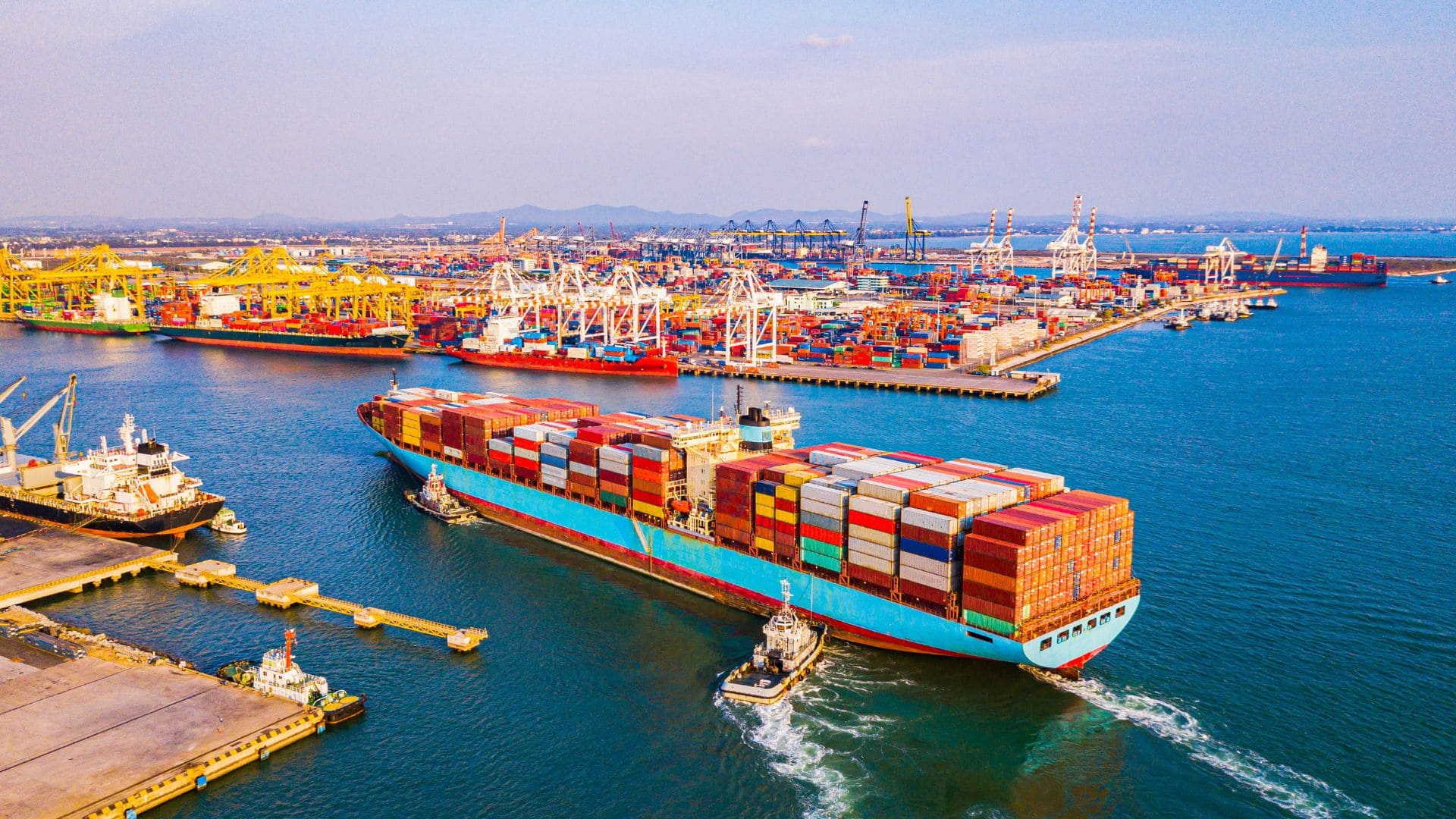
Introduction What is an international freight forwarder? Global trade is a complex mechanism in which every shipment involves a multitude of players: shipping lines, air carriers, road transporters, customs services, warehouses, and insurers. At the center of this network stands a key professional who connects all these links: the international freight forwarder. Often invisible to the end consumer, the freight forwarder is nevertheless at the very heart of international logistics. Understanding their role, services, and importance is essential for any company involved in import-export or the management of goods transportation. Definition: What is an international freight forwarder? An international freight forwarder is a professional or a specialized company that organizes and manages the shipment of goods on a global scale.They act as an intermediary between the shipper and transport service providers (maritime, air, road, or rail). Unlike a carrier, who owns its own trucks, planes, or vessels, the freight forwarder designs a comprehensive logistics solution, which includes: They are the architects of the international supply chain: assembling solutions, coordinating all players, and ensuring that goods move seamlessly from origin to destination. CHECK OUT OUR TRANSPORT SERVICES The Role of the Freight Forwarder in Global Trade 1. Logistics Intermediary and Coordinator The freight forwarder acts as a single point of contact between the shipper and multiple transport providers. This simplifies communication and spares the client company from managing several contracts and interlocutors. 2. Organization of International Transport With solid expertise, the freight forwarder selects the most suitable mode of transport (air, sea, road, or rail) based on: 3. Regulatory and Customs Expertise Each country enforces strict rules on foreign trade. The freight forwarder ensures that shipments comply with these regulations, helping clients avoid costly fines or delays. 4. Administrative Freight Management The freight forwarder handles all international shipping documentation, such as: 5. Global Logistics Risk Management International trade faces multiple uncertainties — port strikes, vessel delays, health crises, or natural disasters. The freight forwarder anticipates these risks and provides alternative solutions, such as switching to air freight in case of maritime disruptions. 6. Digital Tracking and Visibility Thanks to modern digital platforms, freight forwarders offer real-time shipment visibility. Shippers can track their cargo at every stage, ensuring transparency and building trust. Main Services Offered by an International Freight Forwarder The role of a freight forwarder goes far beyond simply booking space on a ship or plane. Their services cover a wide range of complementary logistics solutions, including: When and How to Choose a Reliable International Freight Forwarder When to Work with a Freight Forwarder How to Choose the Right One Key selection criteria include: A good freight forwarder combines human expertise, a strong network, and modern technology to ensure smooth, reliable, and optimized logistics worldwide. CHECK OUT OUR TRANSPORT SERVICES Practical Cases and Real Examples of International Transport 1. Textile Export – Asia → Europe A French fashion brand produces its collections in Bangladesh. Each season, the freight forwarder: Result: optimized seasonal flows and controlled costs. 2. Medical Device Transport A manufacturer ships sensitive equipment to Latin America. The freight forwarder: Result: products arrive on time and meet all regulatory standards. 3. Just-in-Time Automotive Parts A European car manufacturer depends on parts imported from China. The freight forwarder: Result: uninterrupted production and minimized downtime. 4. E-commerce and Retail A European e-commerce company sells in North America. The freight forwarder implements a multimodal solution (air + road) to ensure fast delivery to end customers. 5. Agri-food Sector An exporter of fresh produce ships fruit to the Middle East. The freight forwarder manages the cold chain and secures the required phytosanitary certificates. Frequently Asked Questions About International Freight Forwarders Is a freight forwarder mandatory? No. However, in practice, their role becomes essential as soon as shipments cross borders. They greatly reduce the risk of errors and delays. What’s the difference between a freight forwarder and a carrier? A carrier owns its own means of transport (trucks, planes, vessels). A freight forwarder, on the other hand, selects and coordinates carriers to provide a complete logistics solution. What’s the difference between a freight forwarder and a transport commissioner? A transport commissioner assumes legal responsibility for the transport. A freight forwarder acts as an organizer, though some companies perform both roles. Do Freight Forwarders Offer Insurance Yes. They provide freight insurance covering loss, damage, theft, or delays. What Types of Goods Can a Freight Forwarder Handle? From general cargo to sensitive products — including agri-food, pharmaceuticals, hazardous materials, textiles, and automotive parts. Can You Track a Shipment with a Freight Forwarder? Yes. Most freight forwarders offer digital tracking systems accessible online. How Much Does a Freight Forwarder Cost? The cost depends on the chosen transport mode, volume, weight, and additional services (customs, insurance, warehousing). Prices vary widely depending on the destination and season. How to Become a Freight Forwarder? The profession is accessible through studies in logistics or international trade, combined with field experience. Key skills include organization, negotiation, and knowledge of international regulations. Conclusion: The International Freight Forwarder, the Conductor of Global Logistics In a world where supply chains must be fast, reliable, and resilient, the international freight forwarder plays a crucial role. More than just an intermediary, they are the conductor of international logistics: planning, coordinating, securing, and optimizing global flows. Understanding their role, responsibilities, and services helps businesses better anticipate their logistics needs and approach international trade with confidence.